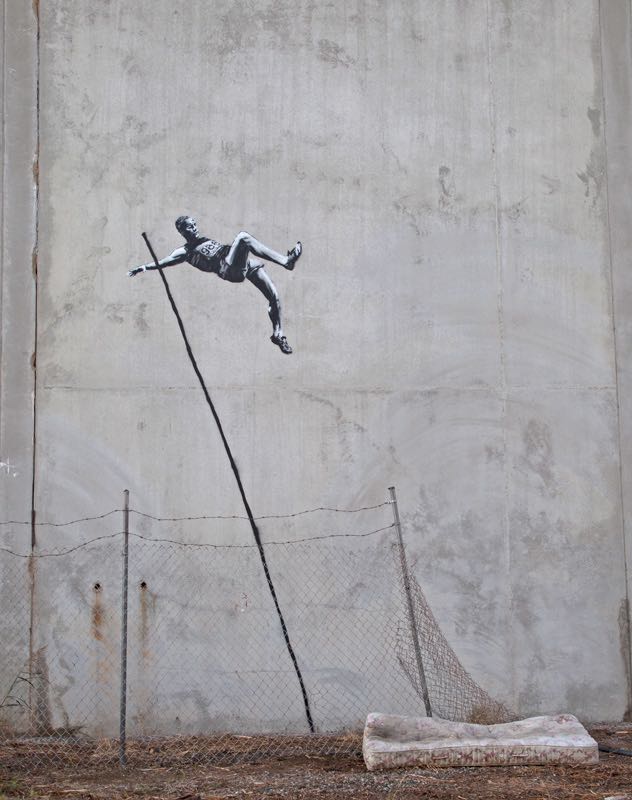
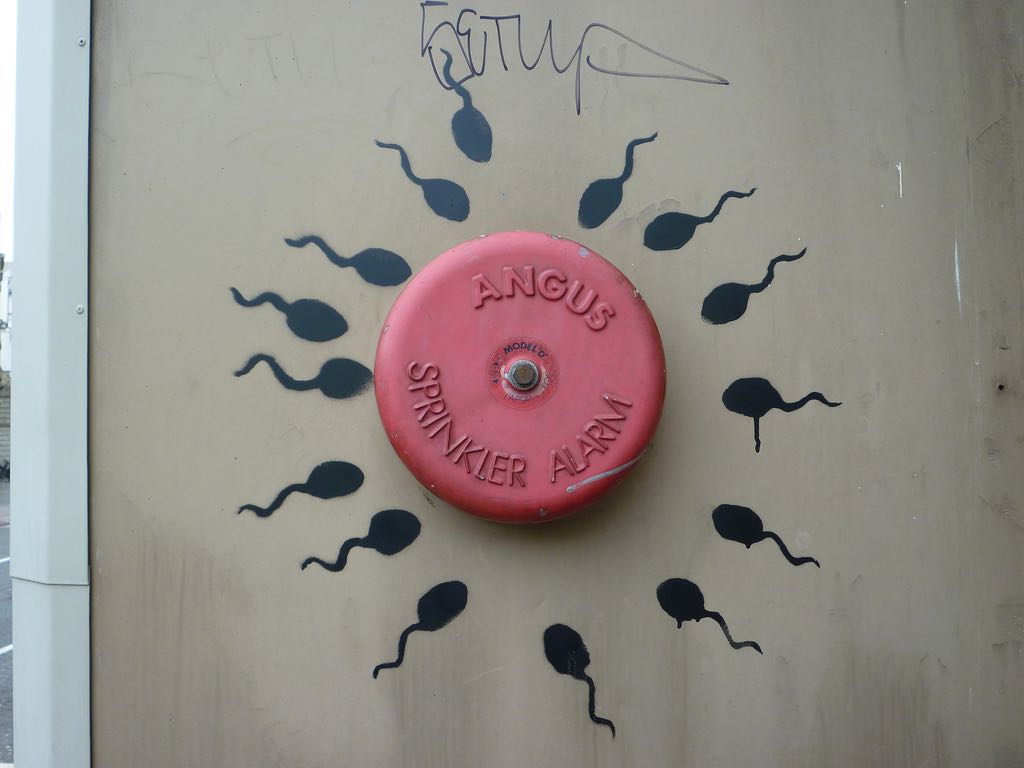
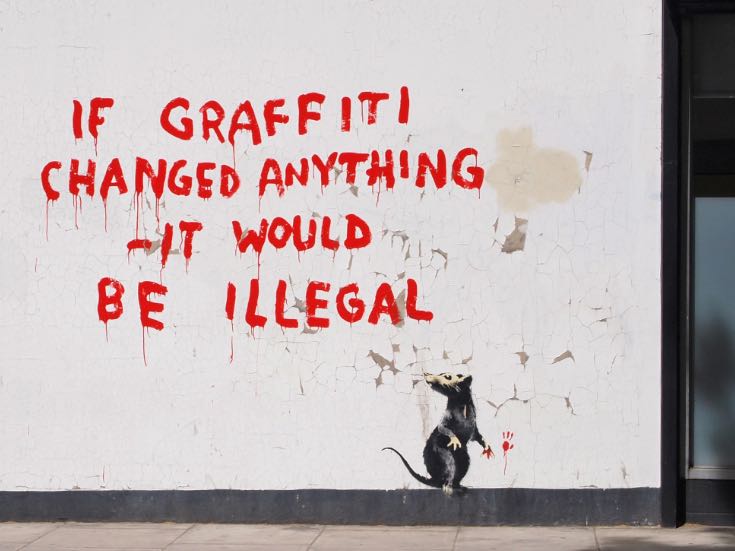
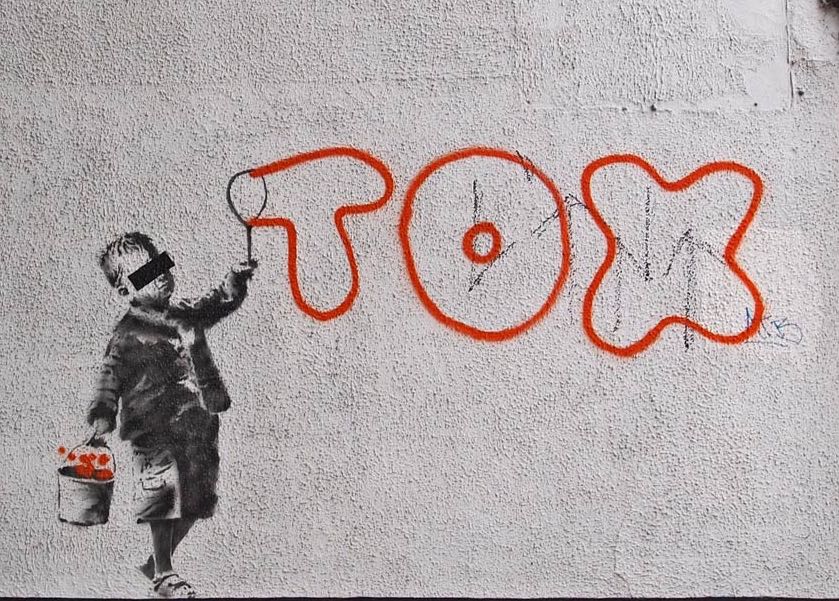
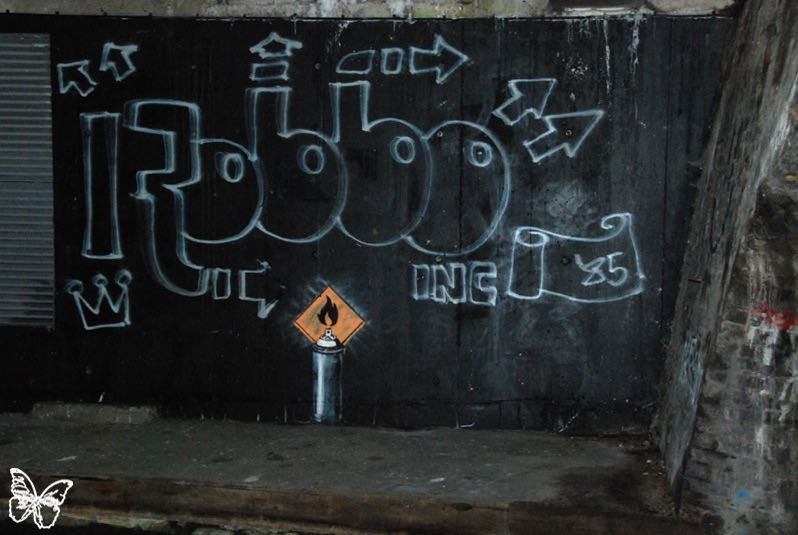
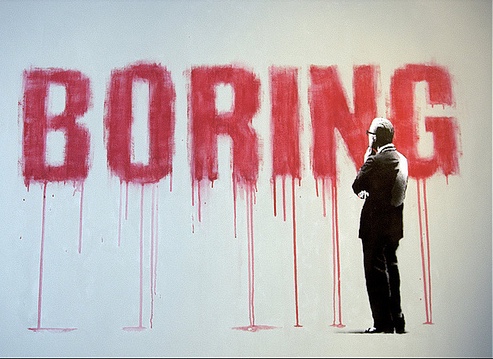
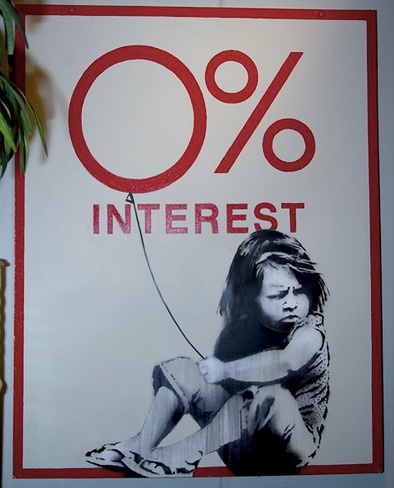
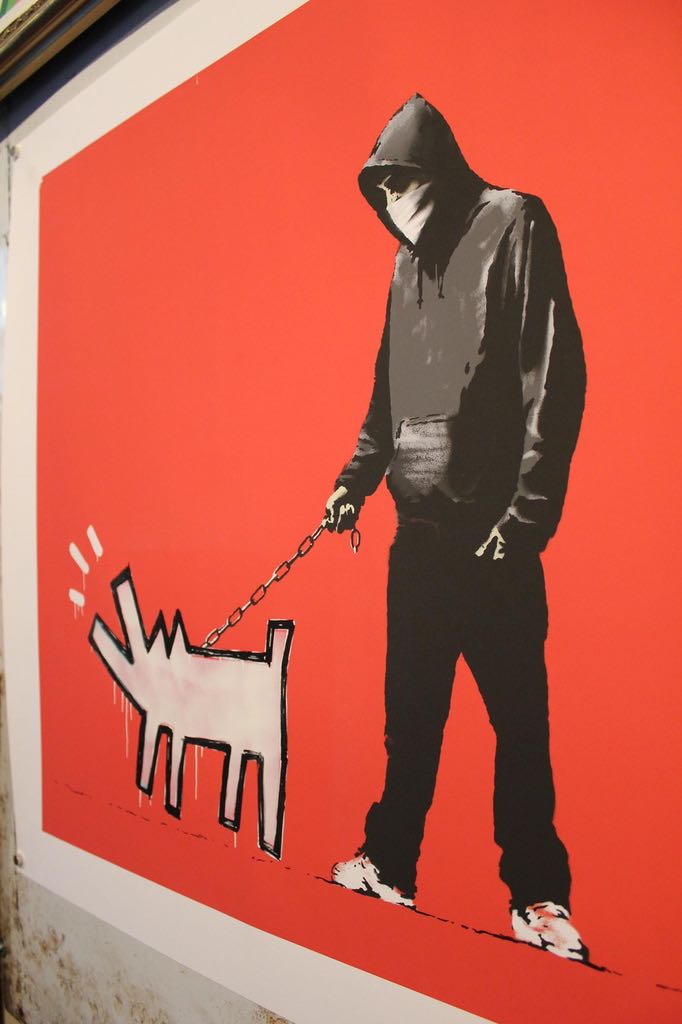
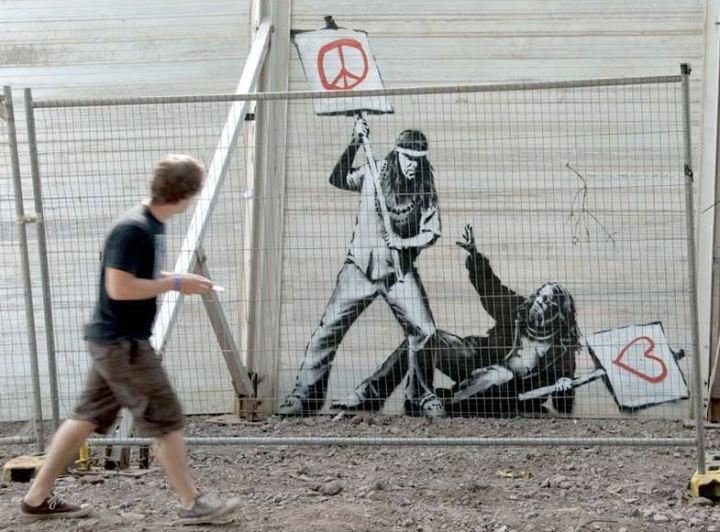
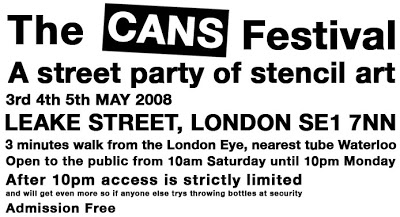
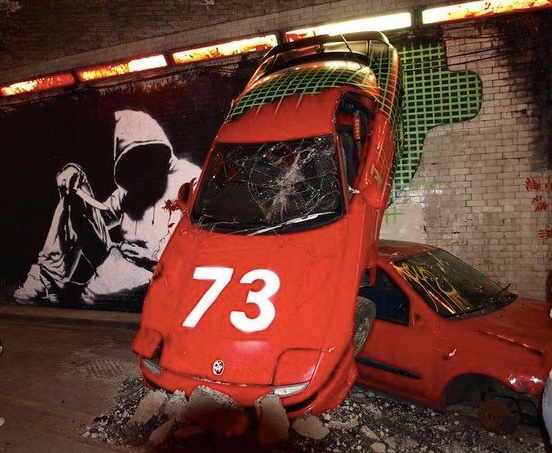
Banksy organised The Cans Festival London over the weekend of May 3–5, 2008. The event took place at Leake Street, a tunnel beneath London Waterloo station formerly used by Eurostar. Team Banksy invited approximately 40 street artists from around the world to participate in the exhibition.
Photos: Romany WG and others
Can Festival programme
A PDF of the official Cans Festival programme can be downloaded here:
As reported by the Guardian on 6 May 2008:
Looking for radical art? Try the South Bank, not Banksy
Banksy’s Cans festival, bringing together 40 of the world’s best stencil artists, can’t compete with the 40-year-old posters in the Hayward Gallery
Dazzling but blunt … Banksy’s Cans festival. Piss Alley, we call it. The Times this weekend dubbed it “London’s hottest venue“. For most, Leake Street has always been Leake Street by name, Leake Street by nature. For Banksy, though, this tunnel road was just the kind of “filth pit” he’d been looking for. Remembering to ask permission from owners Eurostar, he gathered together the world’s best stencil artists to spray paint the tunnel in time for the bank holiday, and lo, the Cans festival was born.
That was one exhibition of street art you could have seen over the weekend. The other was May 68: Street Posters from the Paris Rebellion at the Hayward Gallery’s Project Space.
Despite the poised irreverence and iconoclasm of the Cans festival, it was the posters in the Hayward that – despite all the failed hopes of the ’68 generation, despite the simplicity and even naivety of the images – still grip, still provoke. Truth be told, radical art today is anything but: it may look sharp, but its edge is blunt.
“Gentrify this” was the up-yours slogan greeting the crowds at Banksy’s festival. But gentrification is exactly what these artists had achieved. The closest you came to barricades at this event were the security barriers channelling punters inside. The score was laid down on the festival’s website: after detailing the opening hours (for Piss Alley! – I never thought I’d live to see the day), it sternly warns “After 10pm access is strictly limited … and will get even more so if anyone else tries throwing bottles at security”.
And just in case anyone thinks about making a spontaneous contribution, the website makes clear that artists coming to stencil need to report to reception and be shown where to paint, with a disclaimer explaining that “painting outside the designated area may well result in prosecution”.
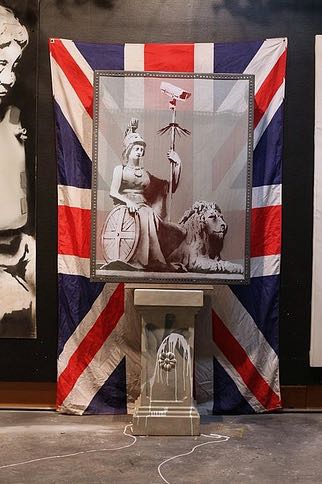
But there we have it. For all the brilliance of the stencil artists, the messy, apocalyptic feel of the thing was so in tune with our general sense of the world going to hell in a handcart that it confirmed the status quo rather than challenged it. This was iconoclasm with an unremitting ironic twist. Don’t like religion? Here’s the Pope morphed with Marilyn Monroe in the Seven Year Itch. Wanna take a pop at film icons? Here’s a cat scratching Audrey Hepburn’s eyes out. Apart from some notable exceptions – such as the central tree sculpture sprouting surveillance cameras – it was the backwards-looking creed that was striking.
Whether looking for icons to smash or to praise, it was the past that informed. In the brochure the political icon held aloft is Stuart Christie, the Scottish anarchist who was a member of the Angry Brigade in the 1970s. William Blake is misrepresented as an outsider hounded by the establishment who labelled him mad and buried him in a heretics’ graveyard (Blake was buried by choice in the dissenters’ graveyard at Bunhill Fields, with the standard Church of England service). Truth is, the Cans festival’s rebels without a cause cannot bear to look into the future. They don’t trust it and have more in common with the self-named ancients who gathered around Blake in his later years, bemoaning the modern industrial world and conservatively clutching at a “golden age”.
How different from the Paris posters of ’68 which brim with the possibilities of tomorrow. Whatever the disappointments of the uprisings, these images convey powerful and provocative messages. The outline of a cross drilling into the profile of a head communicates the perceived problem with religion. Irony – that constant bugbear of art today – works very differently here. It is a device to drive the message home, most often in the juxtaposition of text and image. A poster bearing the words “Retour à normale …” has row upon row of identical sheep heading back to the pen. A young face swathed in bandages and secured with a safety pin through the mouth is captioned “Une jeunesse que l’avenir inquiète trop souvent …” (“Youth worries too often about the future”). The future was what young people would make if they would be heard. Today, our radical young artists are jeunesse-ancients, world-weary before their time. To paraphrase Blake, the Cans festival was of the devil’s party without knowing it.
Source: https://www.theguardian.com/artanddesign/artblog/2008/may/06/lookingforradicalarttryth
















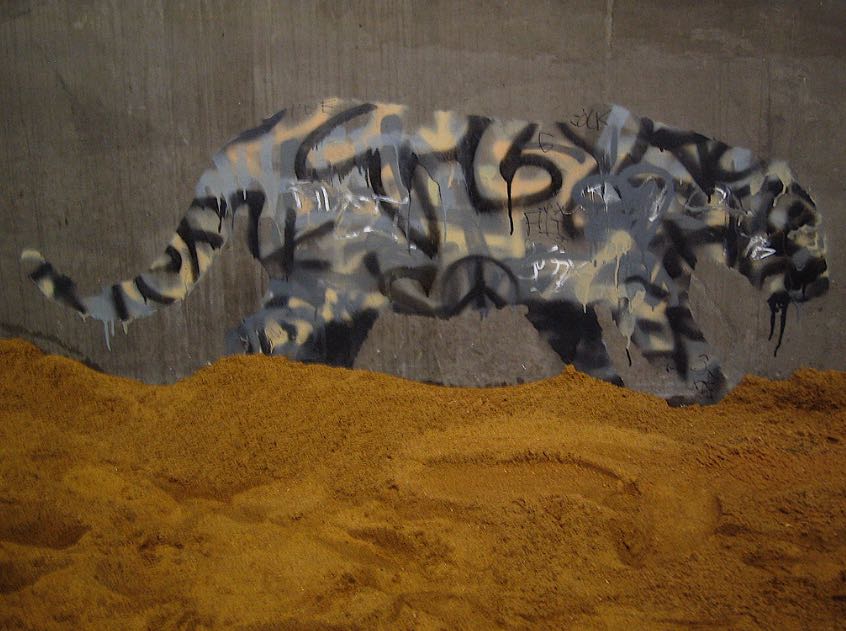
 Banksy unofficial