MOCA. Los Angeles, April 2011

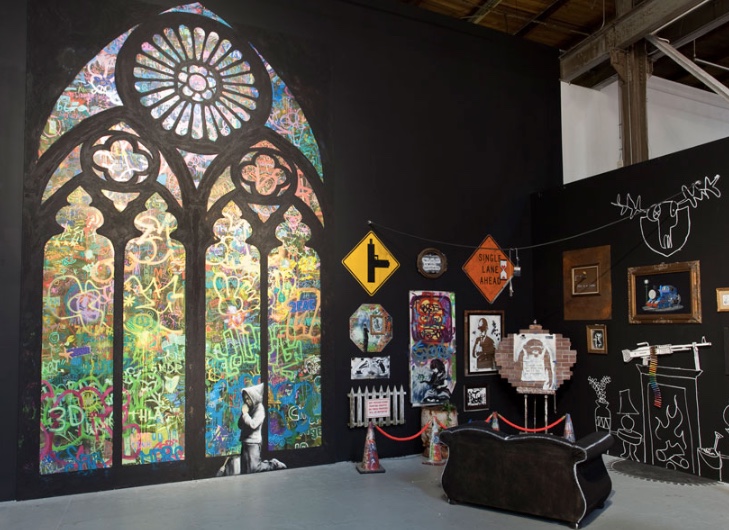
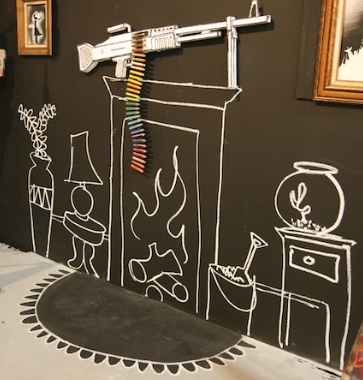
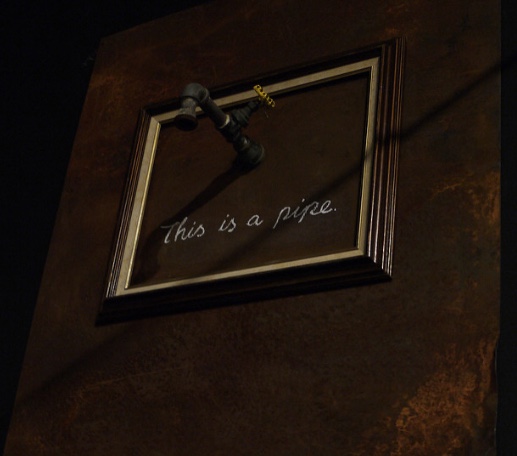
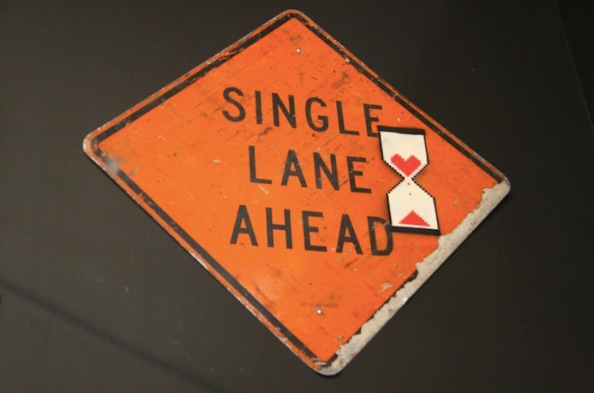
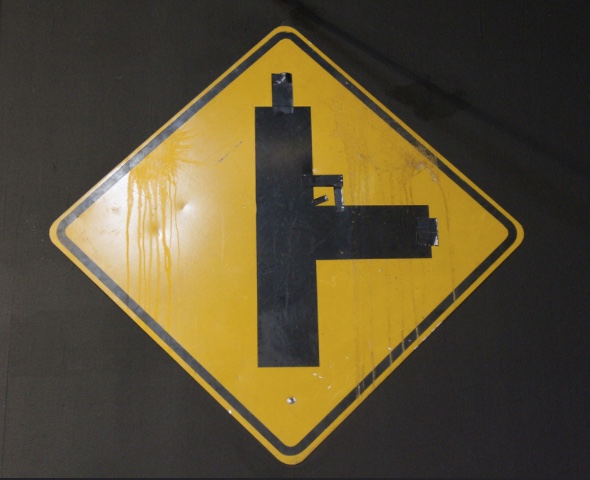
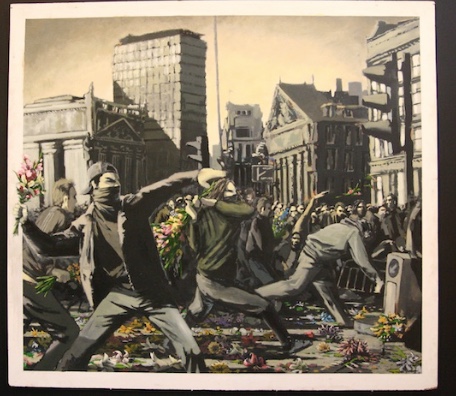
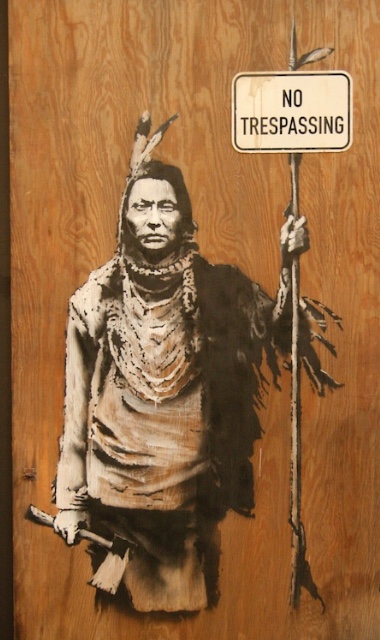
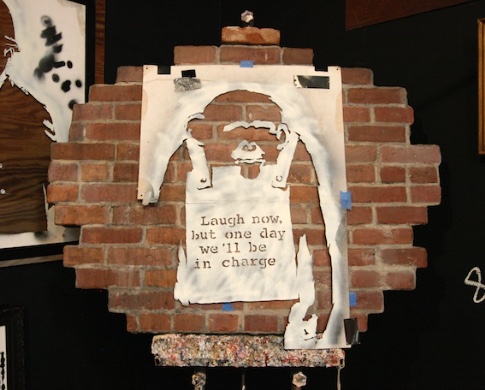
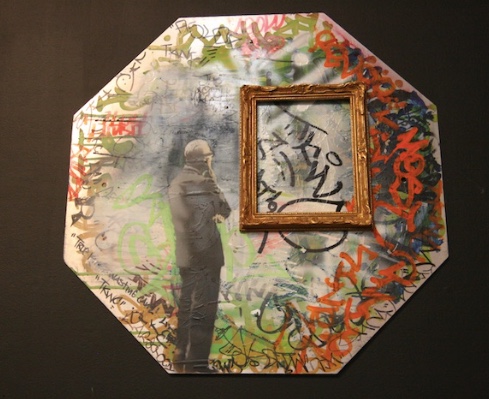
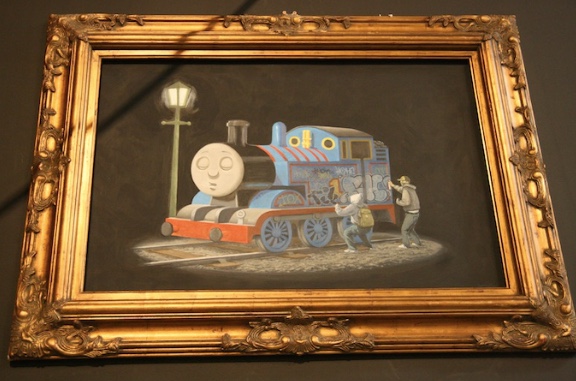
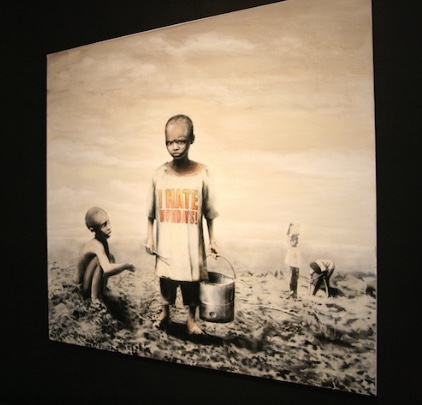
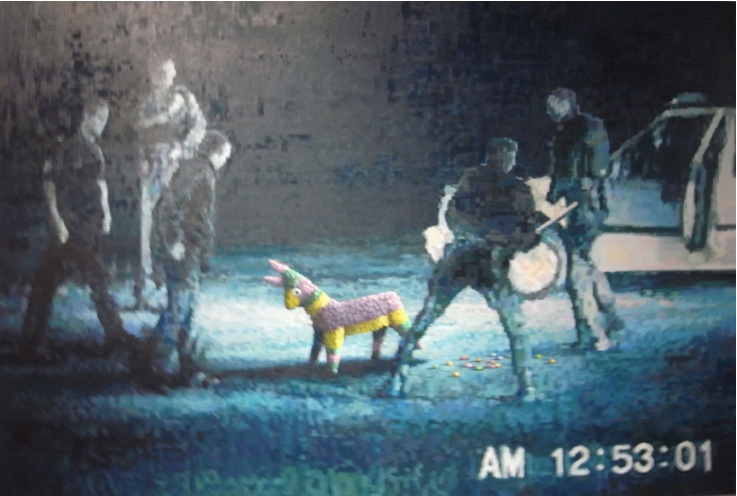
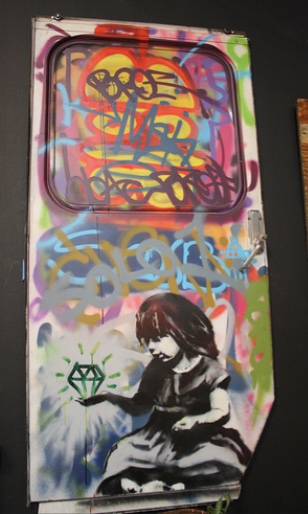
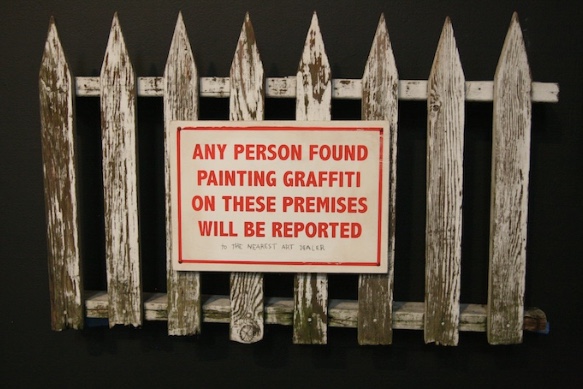
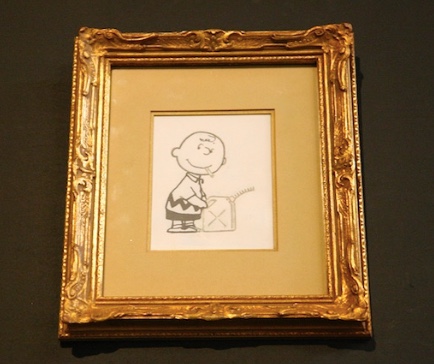
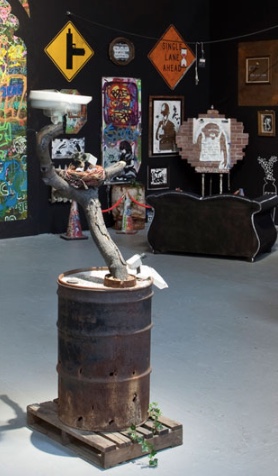
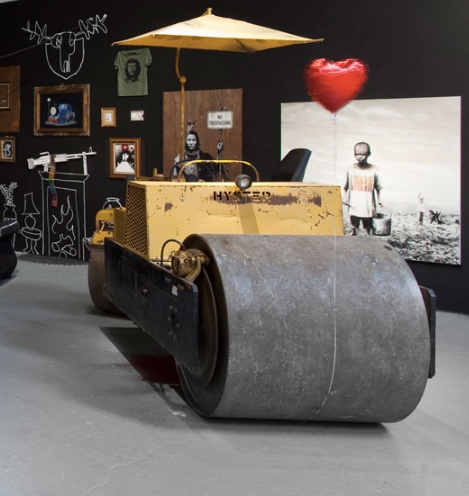
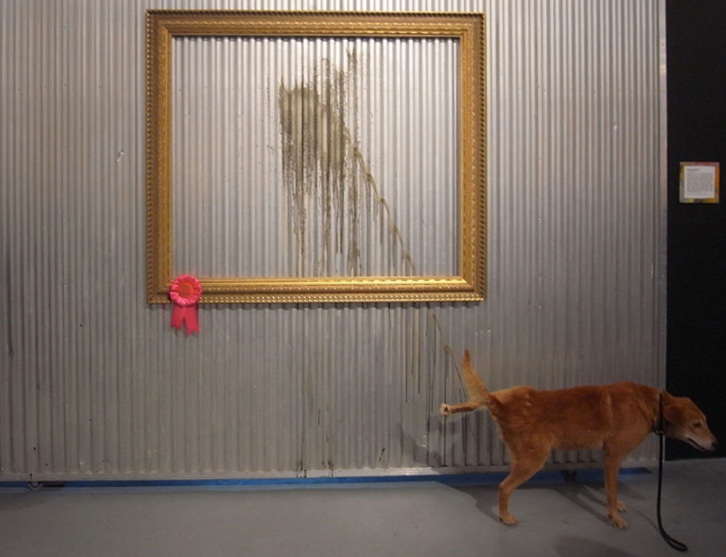
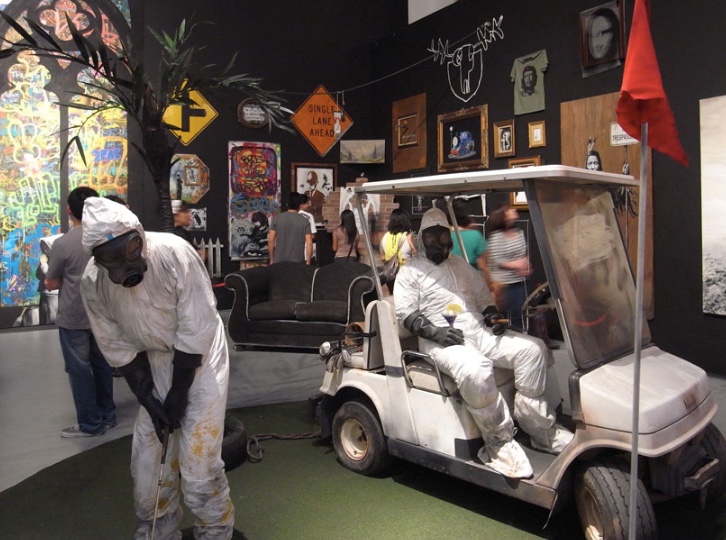
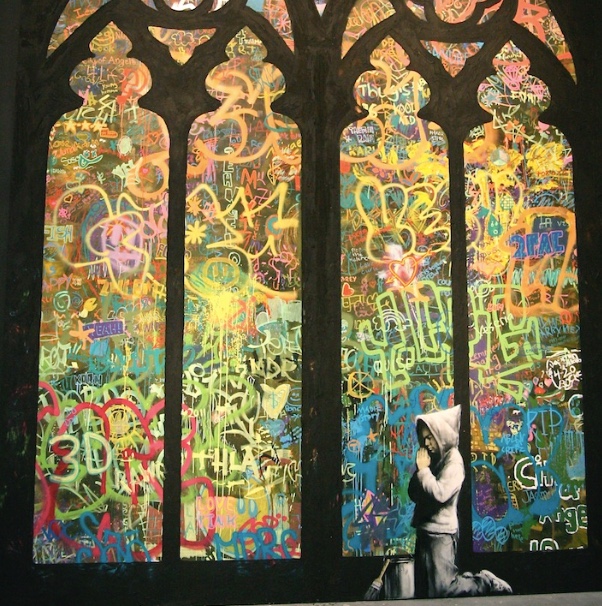
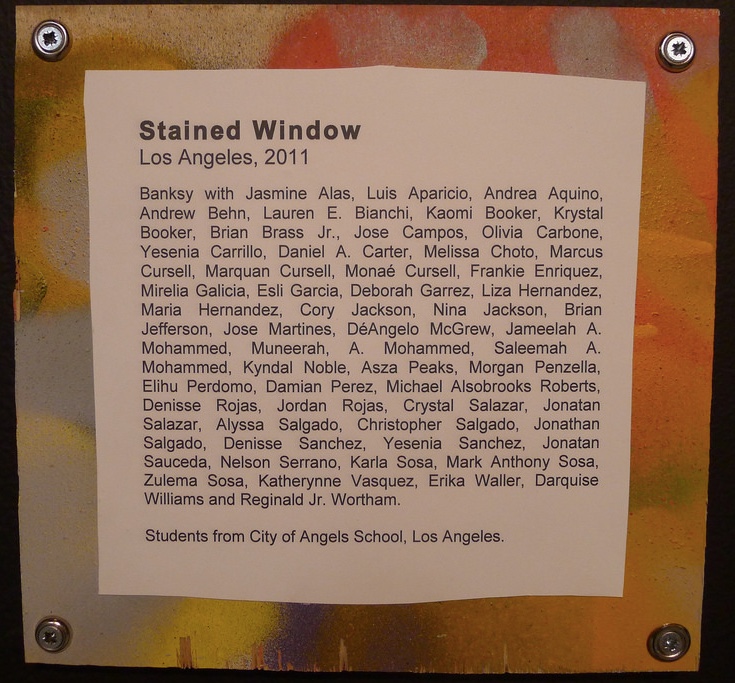
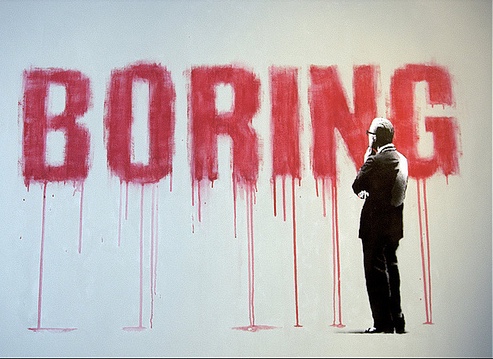
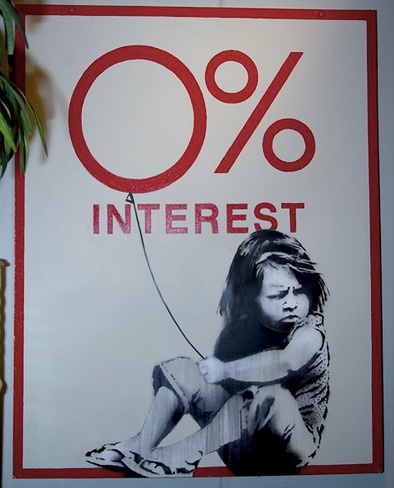
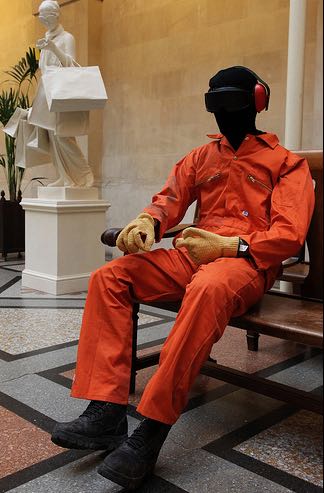
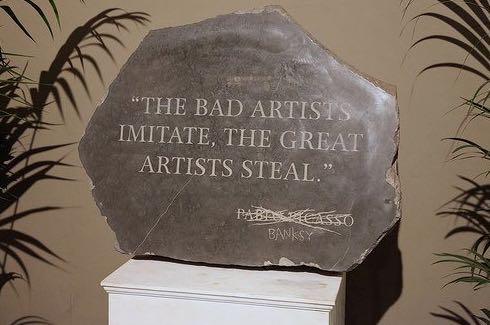
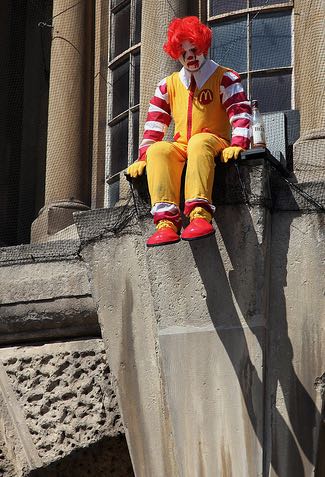
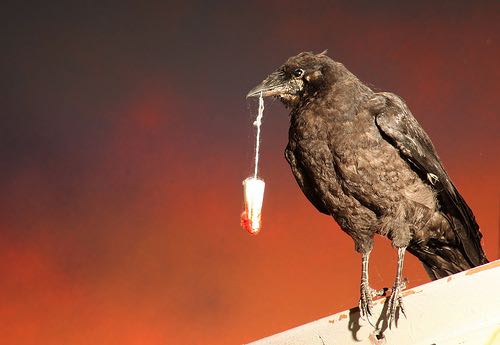
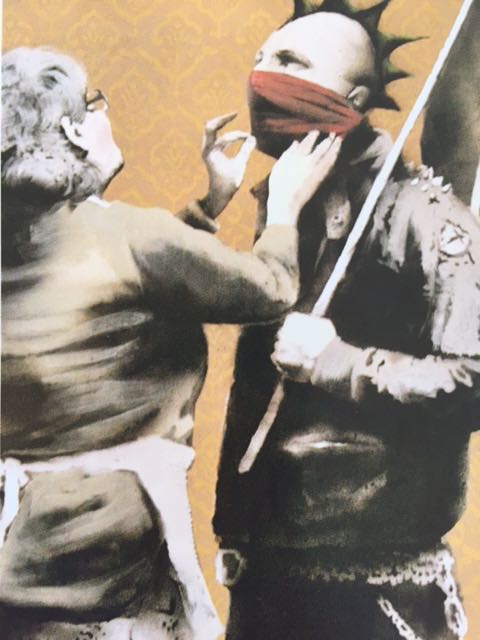
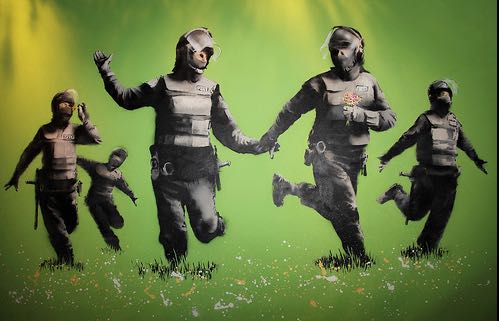
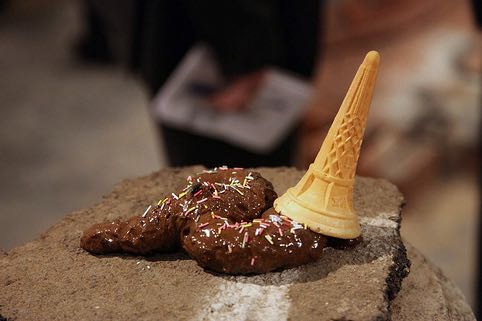
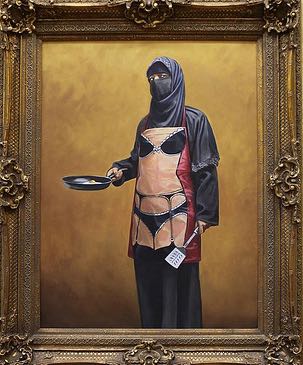
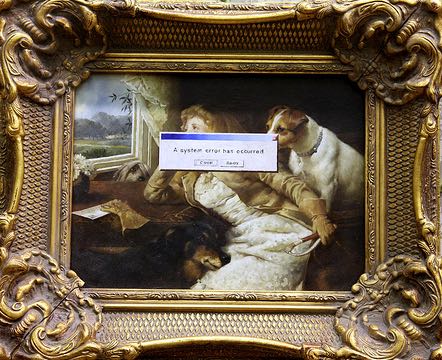
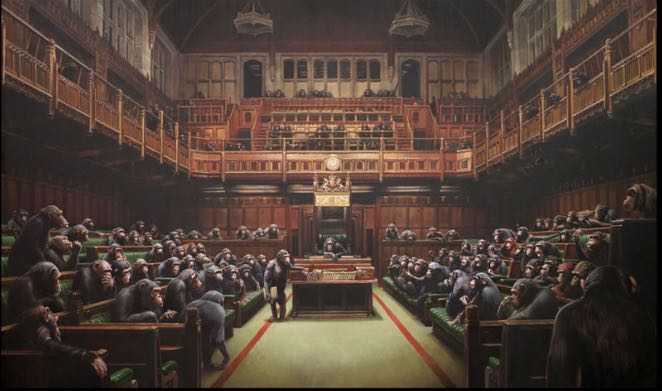
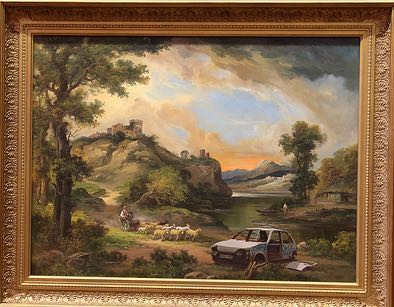
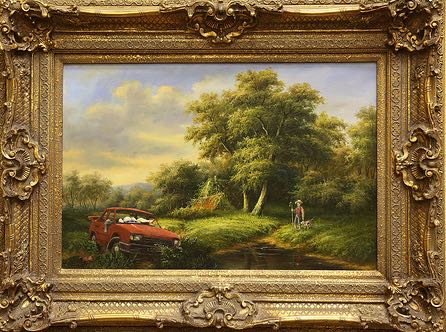
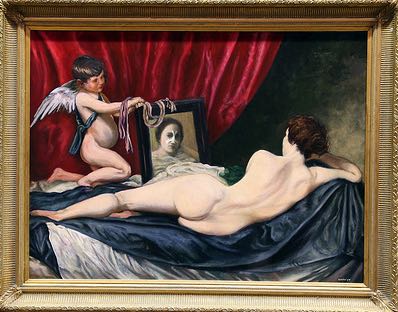
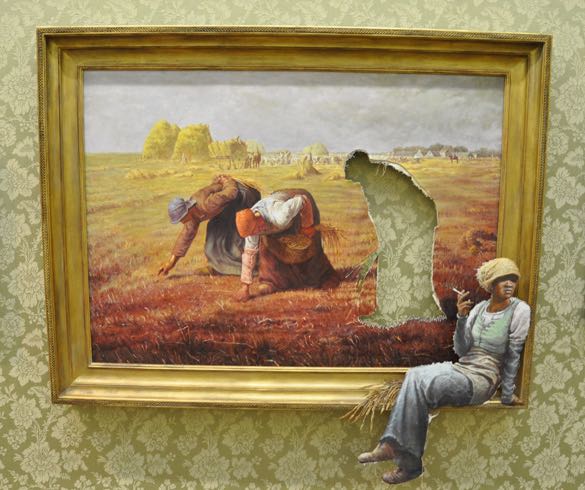
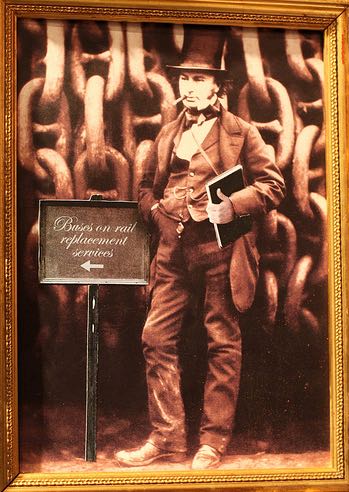
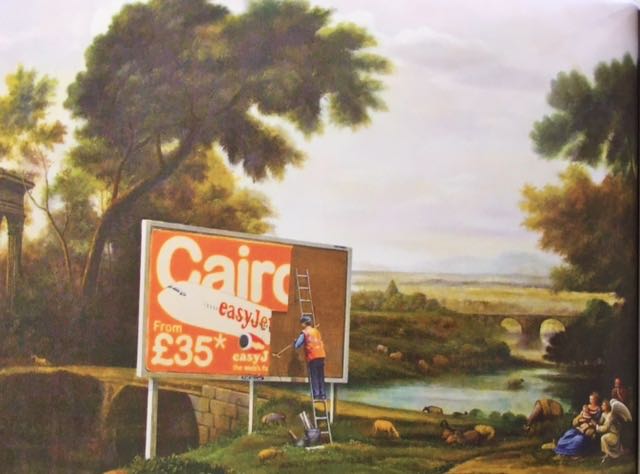
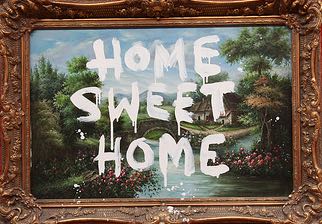
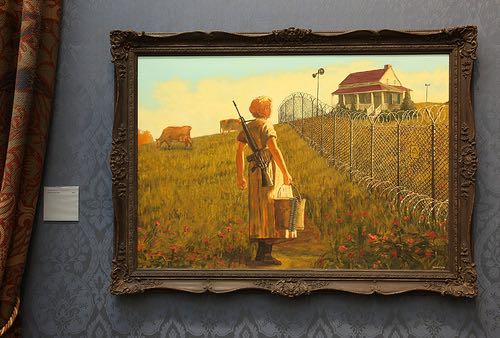
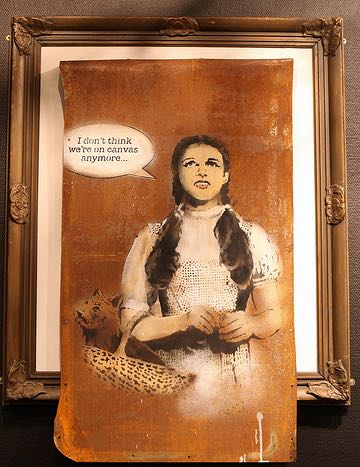
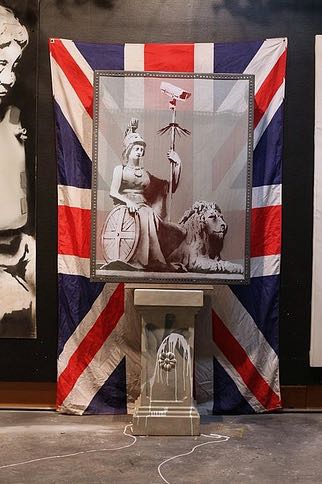
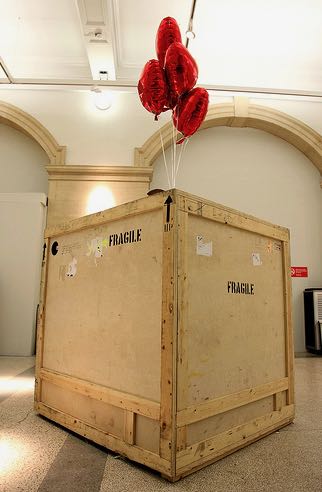
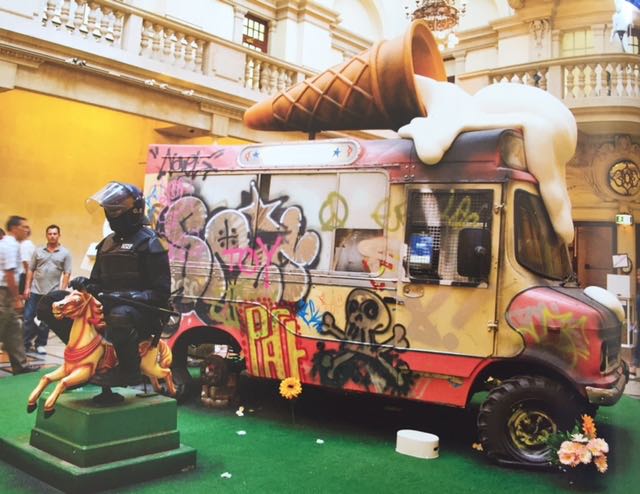
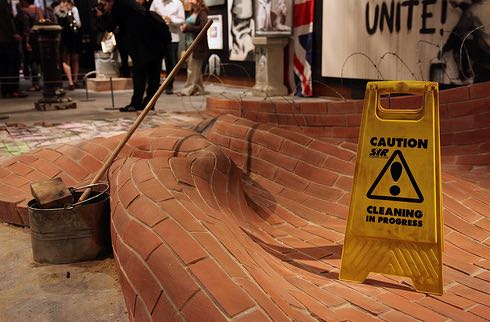
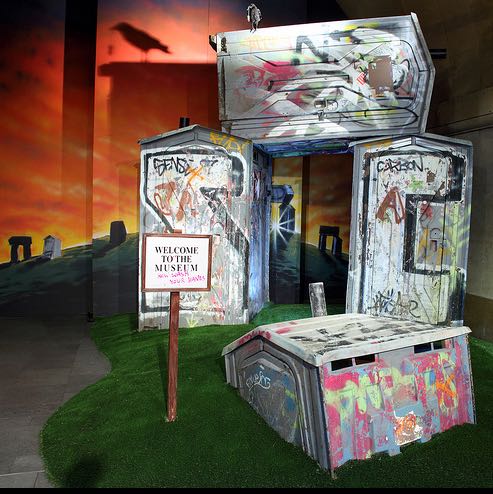
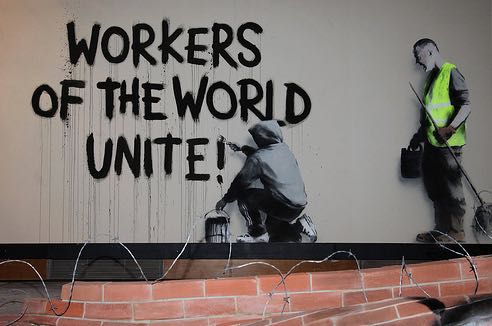
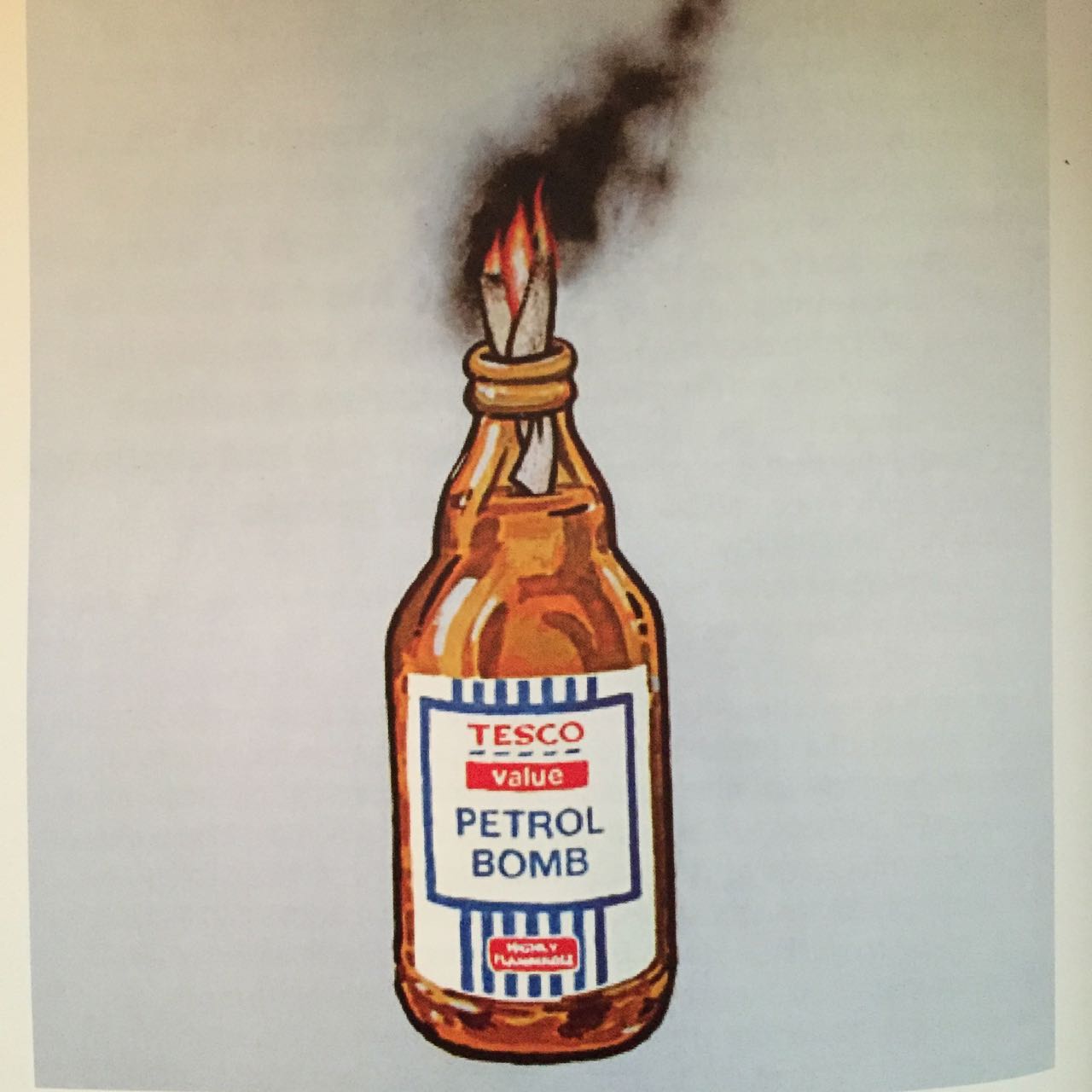
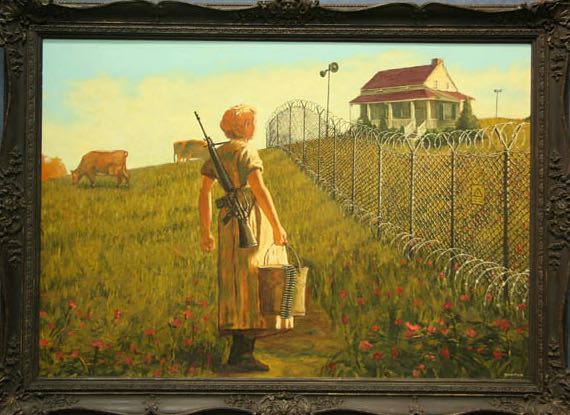
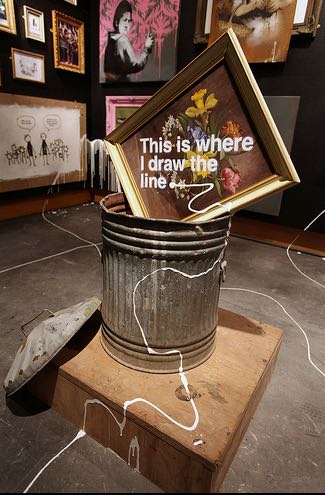
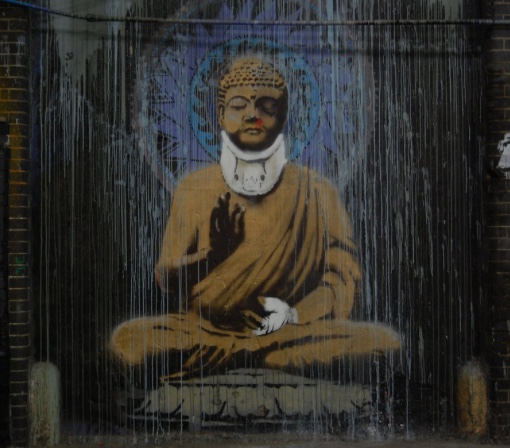
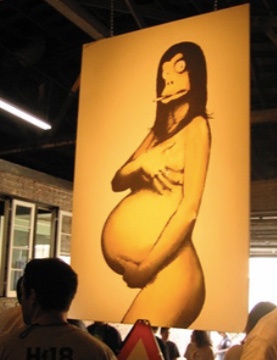
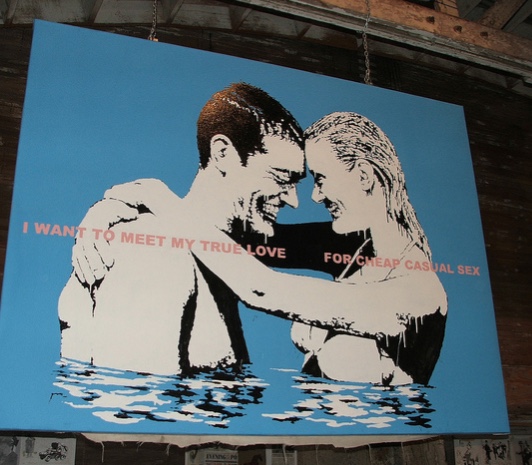
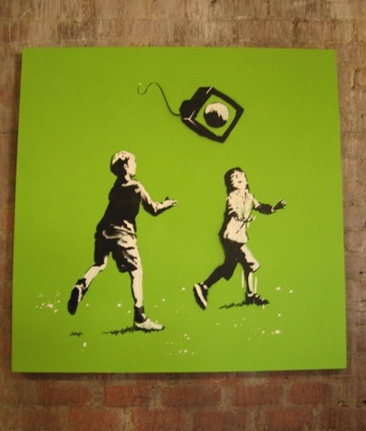
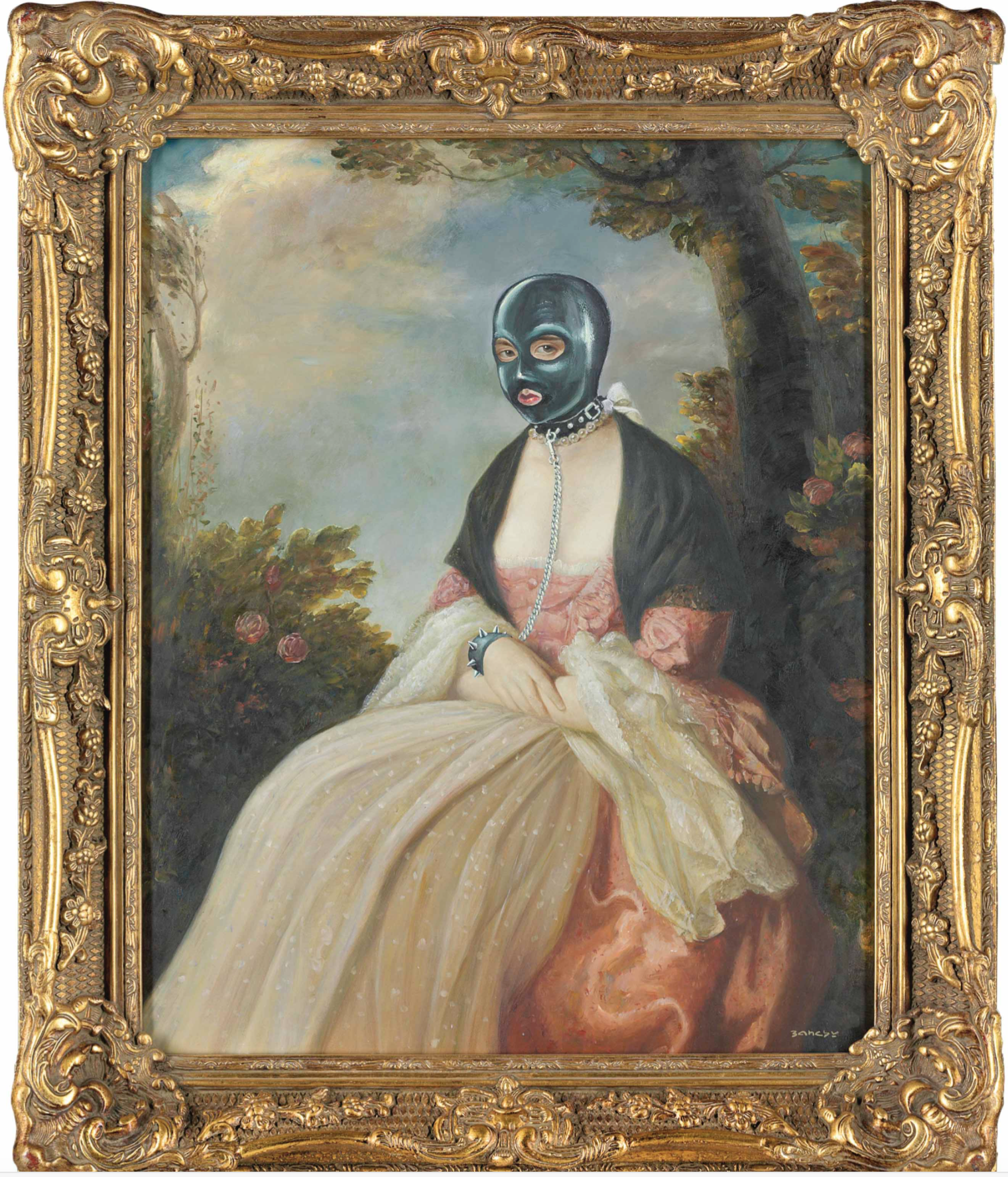
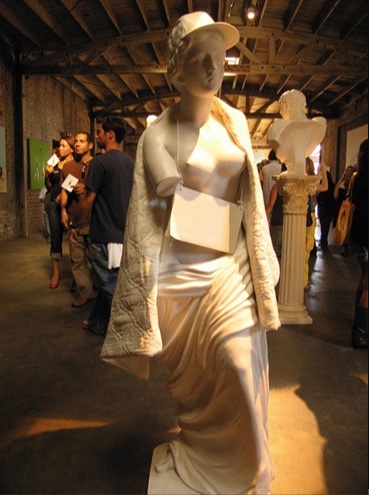
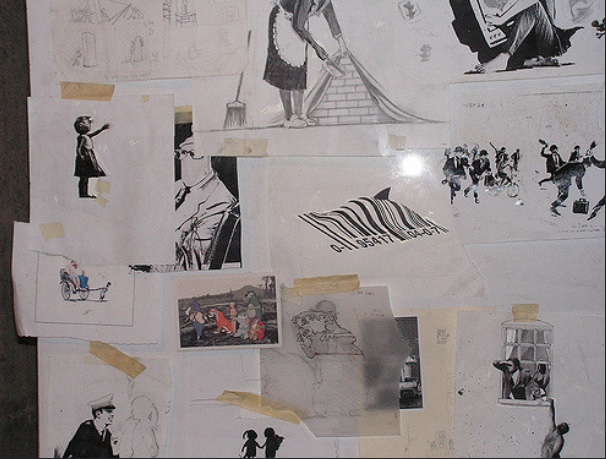
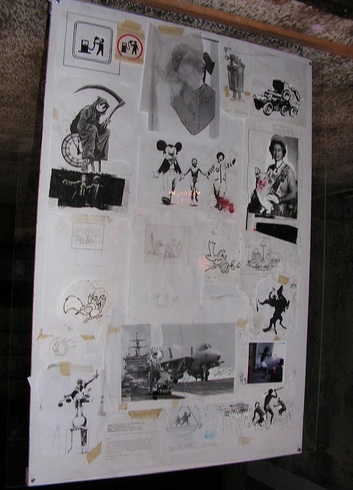
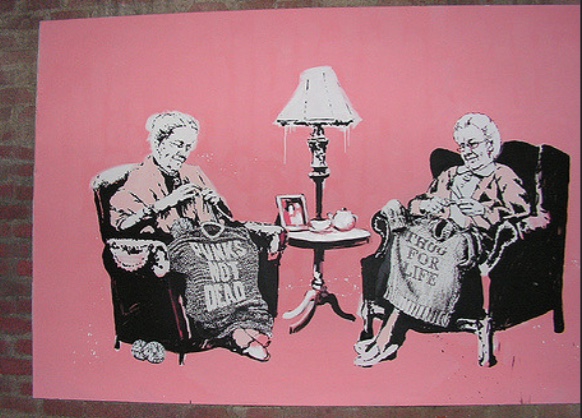
The Museum of Contemporary Art Los Angeles (MOCA), held a collective street art exhibition in April 2011. Banksy participated with versions of old work and some new stuff. Forgive us our trespassing—the graffiti boy praying—was a collaboration between Banksy and a local art school.
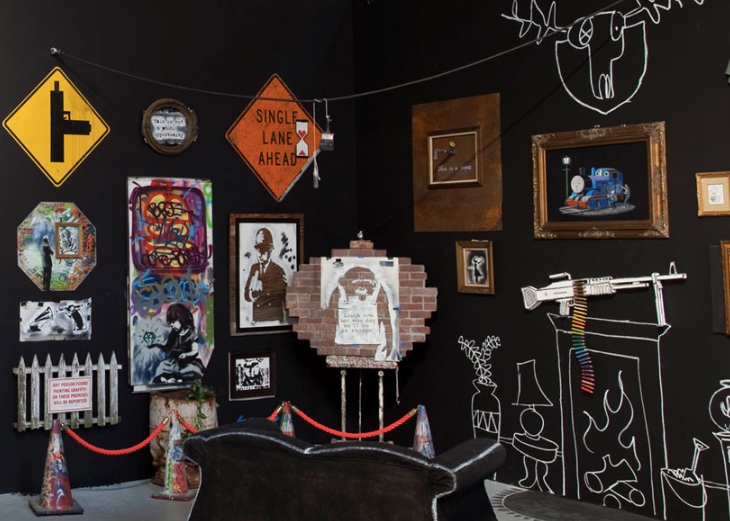
All photos: http://www.moca.com

As reported by Los Angeles Times 15 April 2011:

Art review: ‘Art in the Streets’ at the Geffen Contemporary at MOCA

It’s generally not a good idea to censor a mural you commissioned, especially when that mural is part of a show about uncommissioned street art.

When Museum of Contemporary Art director and curator Jeffrey Deitch whitewashed a mural by Italian artist Blu in December, the episode perfectly illustrated how graffiti’s unruly, in-your-face attitude, even when sanitized under the banner of “street art,” might not be a good fit for a museum retrospective. The very idea of the exhibition “Art in the Streets” at the Geffen Contemporary asks whether this erstwhile outlaw culture can or should be folded into the grand narrative of art history.

Despite its first, faltering steps, the exhibition answers this question with a resounding “Yes.” Viewers will encounter a bombastic, near-overwhelming cavalcade of eye candy: colorful swirling murals, immersive installations, walls papered with candid and provocative photos, and a custom-designed skate ramp. Immodestly anticipating the response, there’s even a big “WOW” painted on the inside of the building’s roll down doors. But the exhibition’s strong suit is not its impressive array of large-scale work but rather its art historical treatment of an outsider form, complete with a timeline, “period” rooms, and plenty of video and photographic documentation.

Although bright colors, lights and sounds beckon from the galleries on the main floor, it’s worth spending some time with the terse but informative timeline upstairs. It moves briskly from the movement’s beginnings in tagging in New York and Philadelphia in the 1960s, through cholo graffiti in L.A. in ’70s, and the form’s emergence on the New York gallery scene in the ’80s.

It also charts graffiti’s overlap with punk and skateboarding cultures and the emergence of the “Wild Style” that famously blanketed New York subway cars in the ’70s and ’80s. The timeline stops abruptly in 1989, when the New York Metropolitan Transit Authority began its anti-graffiti campaign, but picks up again on the other side of the galleries to chart the movement’s increasing popularity: the founding of Juxtapoz magazine, Shepard Fairey’s Obama “Hope” poster, and last year’s Academy Award-nominated documentary “Exit Through the Gift Shop.”

Because of its outlaw status (despite its long-running influence in art and fashion), street art has not been fully welcomed into the annals of art history. At the press preview, Deitch, his co-curators Roger Gastman and Aaron Rose, and artist Fab 5 Freddy compared street art’s effect to that of Cubism, Constructivism, Dada, Surrealism and Pop Art. That might be a stretch, but this hyping of the exhibition is completely in step with graffiti’s ethos of self-presentation. Spawned with tagging — scrawling one’s name on every available surface — graffiti began as a simple act of self-assertion. In fact, perhaps the first piece of graffiti was created by World War II shipyard inspector James J. Kilroy, who inscribed every piece of equipment with a long-nosed cartoon face and the words “Kilroy was here.”

This character is revitalized in Lance Mountain’s and Geoff McFetridge’s custom skate ramp, basically a collection of inclines and blocks decorated with large, Kilroy-esque faces. Nike, a co-sponsor of the exhibition, will send members of its SB skate team to skate the ramp twice a week, filling the galleries with a soundtrack of scraping and crashing. It’s not the first time skaters have been welcomed into a museum — co-curator Rose built a skate bowl in the 2004 exhibition “Beautiful Losers” at the Yerba Buena Center for the Arts in San Francisco — but in the context of this show, their performance underscores the importance of the body and self-fashioning in street art.

Created on the street, at night, often in inaccessible places, graffiti writing is itself a species of physical performance. It’s not surprising then that images of the artists and their friends appear everywhere in the exhibition. As Deitch noted, graffiti is an ephemeral form. Like performance art, it is often only experienced as documentation. This ranges from Gusmano Cesaretti’s gritty photographs of the cholo scene in 1970s L.A. and Martha Cooper’s vibrant portraits of New York artists in the early ’80s to darker images of more raucous, sometimes violent youth by Ed Templeton, Teen Witch (Andrea Sonnenberg), Dash Snow, Terry Richardson and Larry Clark.

If Pop artists responded to the shiny new consumer culture that emerged after World War II, graffiti artists responded to its decay, reflecting disillusionment and broken promises. This underbelly of consumerism also surfaces in several large, immersive installations. “Street Market” by Todd James, Barry McGee and Stephen Powers is a facsimile of a clutch of narrow city streets lined with decaying, fetid buildings and bedecked with cheap electric signage. The buildings are filled with what look like miniature art studios and makeshift living spaces that can be glimpsed only through the windows; they’re like little dens of creativity amid the ruins of consumer society.

In a more illusionistic vein, Neckface has created a dark, filthy alleyway littered with broken bottles and debris whose only purpose seems to be inspiring trepidation. Such installations were obviously never intended for the street. Rather, they attempt to re-create a “street” atmosphere that is both carnival-esque and unsettling. In this, they are not unlike the works of mainstream installation artists — Mike Kelley comes to mind — or for that matter, the artificial environments at Disneyland.

This extension of street art aesthetics to illusionistic installations raises the question: What happens to street art when it is no longer in the street? Certainly it loses some of its shock value — part of the beauty of street art is that it might take us unawares. Perhaps the examples above are attempts to shock us by bringing the street into the gallery. But they feel overly labored and oddly, a bit fussy.

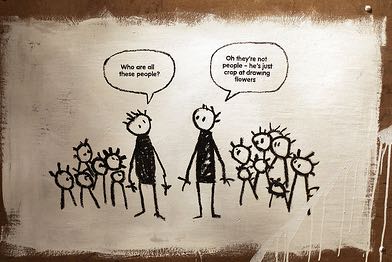
This elevation of street art in the museum — essentially, the show’s premise — is the target of the ubiquitous Banksy’s contribution. He asked local high school students to tag panels in myriad colors and then framed them inside a drawing of a Gothic arch that resembles a stained glass window in a church. Below, he added an illustration of a praying figure kneeling next to a can of paint. The piece suggests that enshrining graffiti art within the museum turns it into an icon requiring our submission. In case we missed this point, Banksy has also placed a real, full-sized steamroller in the space as a not-so-subtle reminder of the implacable march of commodification. Ever the contrarian, he brilliantly continues to bite the hand that feeds him.

In the end, the show is not just about showcasing street art but about recovering in some way what has already been lost. Henry Chalfant’s installation of hundreds of photos of graffiti-laden New York subway cars is oddly touching, not just for its nostalgic look at the past but because it’s a testament to the sheer volume of work that has been erased.

L.A. artist Saber responds to this phenomenon in a huge white and gray mural — a grisaille, really — with a trompe l’oeil tear in it that reveals layers of graffiti underneath. The piece acknowledges not only that graffiti is a temporal medium — painted over layers and layers of previous work — it’s also a nod to those writers who came before. Street art may be a product of a particular moment, but as the energy and variety of this show attest, it is constantly reinventing itself.

Source: https://www.latimes.com/archives/blogs/culture-monster-blog/story/2011-04-15/art-review-art-in-the-streets-at-the-geffen-contemporary-at-moca

As reported by Los Angeles Times on 9 June 2011.

Banksy sponsors free admission to MOCA’s ‘Art in the Streets’ on Mondays

By David Ng

The British street artist known as Banksy likes to stay under the radar in terms of public exposure, eluding the press and generally shunning the spotlight. Lately however, the anonymous artist has been gradually creeping out of the shadows, sort of.

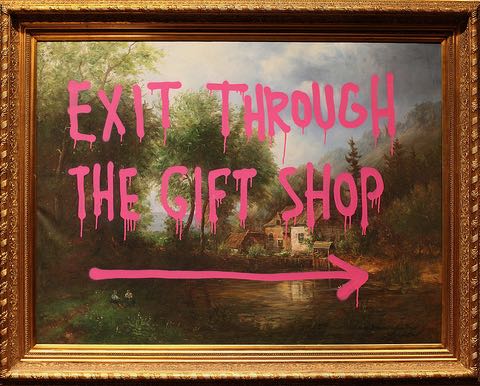
Banksy directed the hit pseudo-documentary ‘Exit Through the Gift Shop,’ which was released last year and earned the artist an Oscar nomination. This summer, he is teaming with L.A.’s Museum of Contemporary Art to provide free admission to its blockbuster street-art exhibition on Mondays.

Banksy is sponsoring free Monday admission for all visitors to the museum’s Geffen Contemporary space in Little Tokyo for the duration of the exhibition ‘Art in the Streets,’ running through Aug. 8. The show highlights the history of street and graffiti art and features works by Banksy, Shepard Fairey and other genre notables.

MOCA even provided a quote from Banksy himself: ‘I don’t think you should have to pay to look at graffiti. You should only pay if you want to get rid of it.’

The museum said that free admission to the Geffen Contemporary will be Mondays from 11 a.m. to 5 p.m. June 13 through Aug. 8. ‘Art in the Streets’ has been met with controversy since its inception. MOCA was criticized for removing a commissioned outdoor mural by the street artist Blu. In addition, local officials have reported an increase in graffiti and tagging in the neighborhood surrounding the Geffen.

MOCA reports that the exhibition has been a success with visitors, saying that it has drawn record attendance. The exhibition will travel to the Brooklyn Museum in 2012.
Source: https://www.latimes.com/archives/blogs/culture-monster-blog/story/2011-06-09/banksy-sponsors-free-admission-to-mocas-art-in-the-streets-on-mondays

Marks & Stencils. London, 27 November 2010

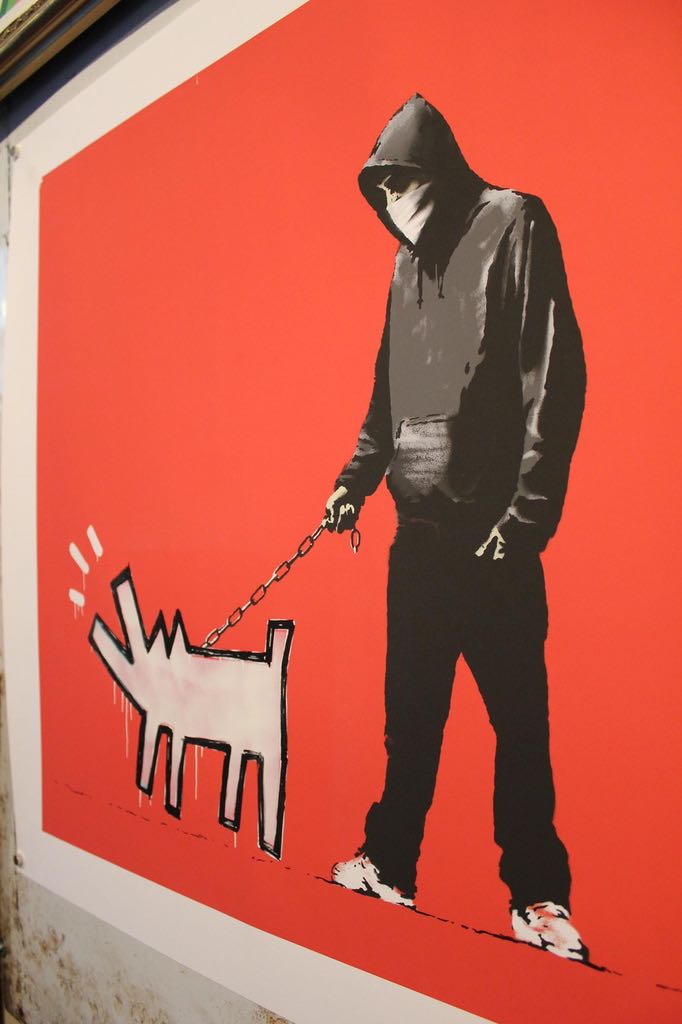
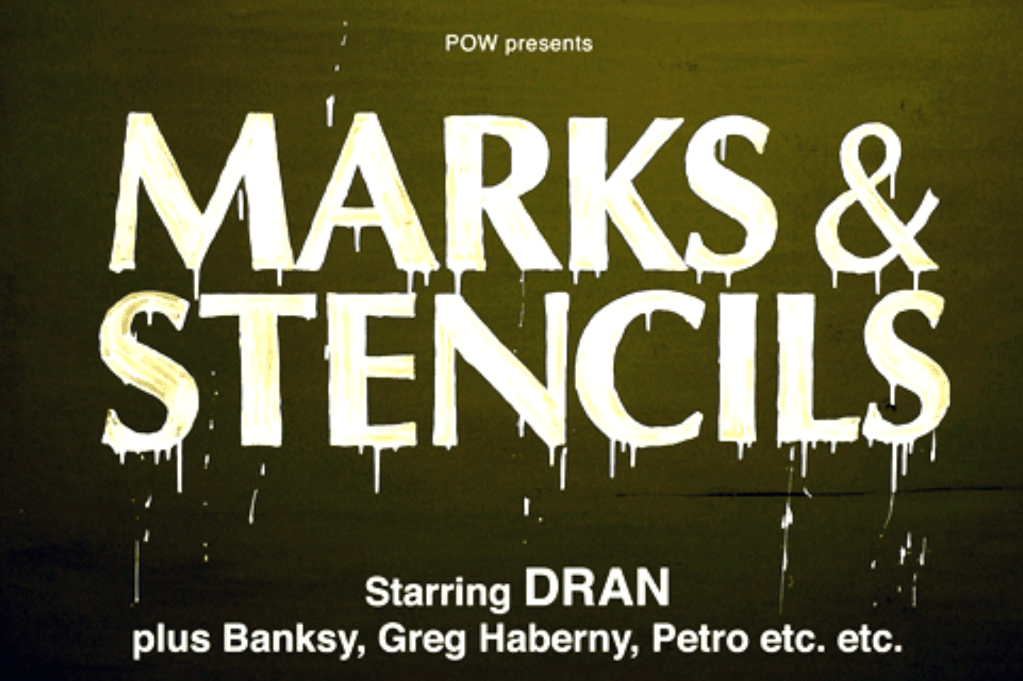
The collective exhibition, “Marks & Stencils,” opened on November 27 on 1 Berwick Street near Leicester Square. The French artist Dran stands out as the most prominent participant among the other artists. The exhibition had some new Banksy originals for sale and also the “Choose your weapon” print, which sold for 450 GBP. Pictures of Walls organised the event.

Choose your weapon

Banksy vs Bristol Museum. June 2009

It’s probably one of Banksy’s best shows ever and one of the most visited art exhibitions in the UK.

From Bristol Museum’s website:

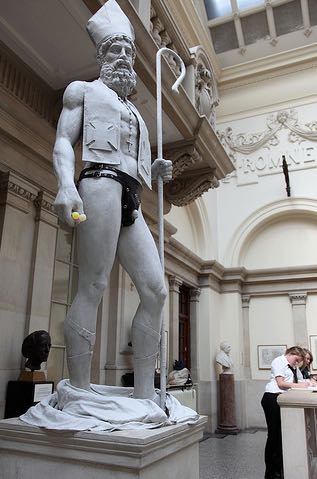
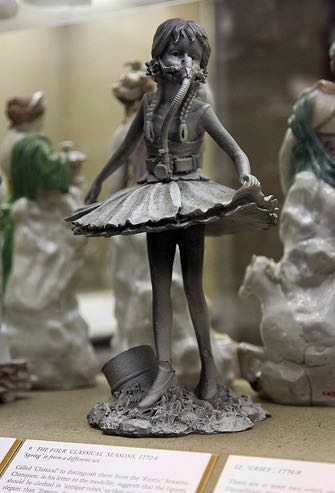
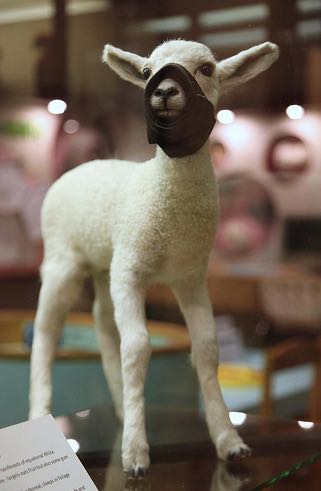
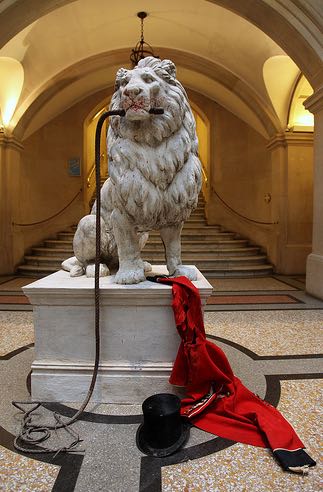
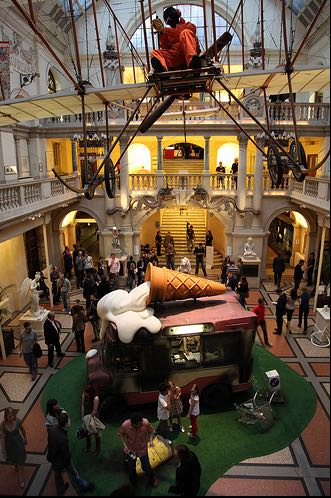
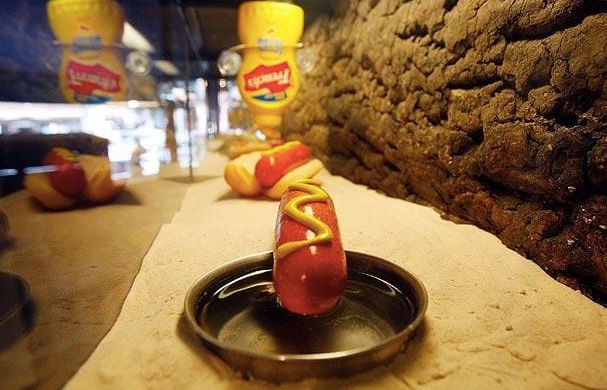
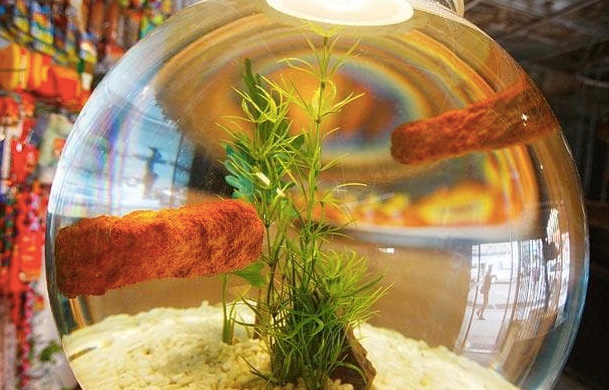
“In the summer of 2009 Bristol Museum & Art Gallery was taken over by an extraordinary exhibition of works by the infamous Bristol artist Banksy.  Overnight the museum was transformed into a menagerie of Unnatural History – fishfingers swimming in a gold-fish bowl, hot-dogs and chicken nuggets. Paintings were placed in amongst the historic collections of Old Masters, sculptures and other pieces dotted around throughout the museum displays. The main entrance was transformed into a sculpture hall, accompanied by a burnt out ice-cream van that pumped out an eerie sound-track of warped tunes, whilst a giant ice-cream melted on its roof.

Before long, people queued around the block to get into the exhibition, some as long as seven hours just to be part of this unique phenomenon. Over 100 works by the artist – most of which had not been shown before – were displayed.

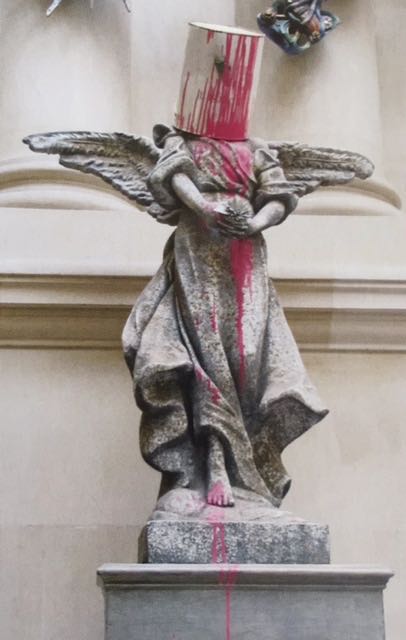
Banksy left one sculpture behind. Pictured above is the Angel Bust – or the paint-pot angel which is currently on display at the museum. He also gave another work to the museum of a sculpture of Jerusalem, which was made by another artist called Tawfiq Salsaa – you can see it in our online collection.”  

Source: Bristol Museum

Village Pet Store and Charcoal Grill. New York, October 2008

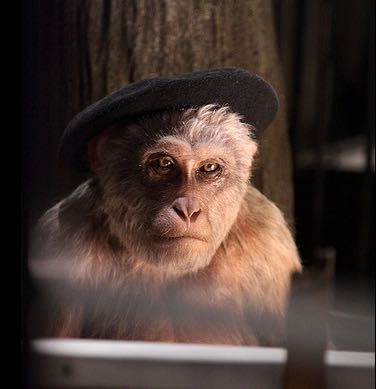
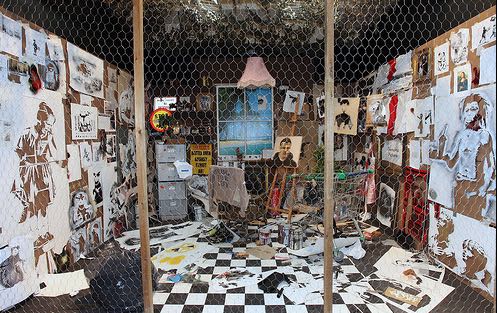
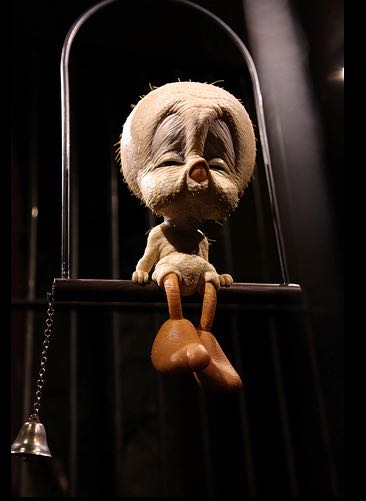
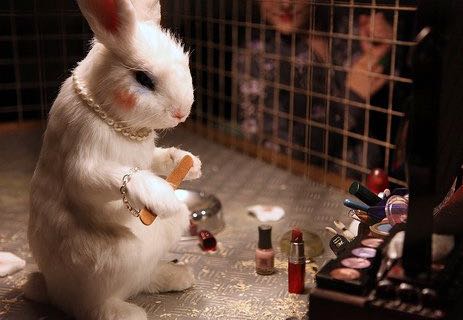
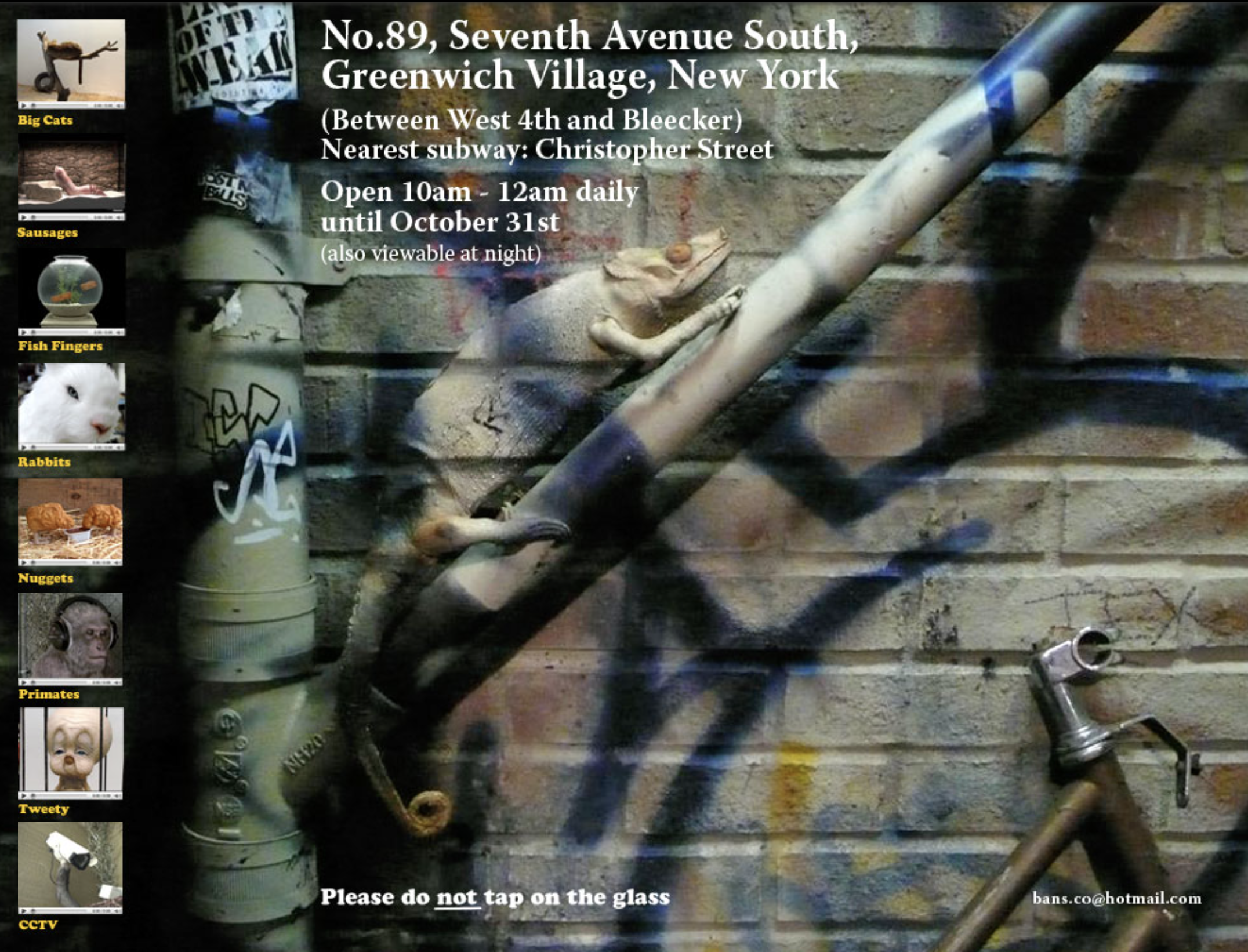
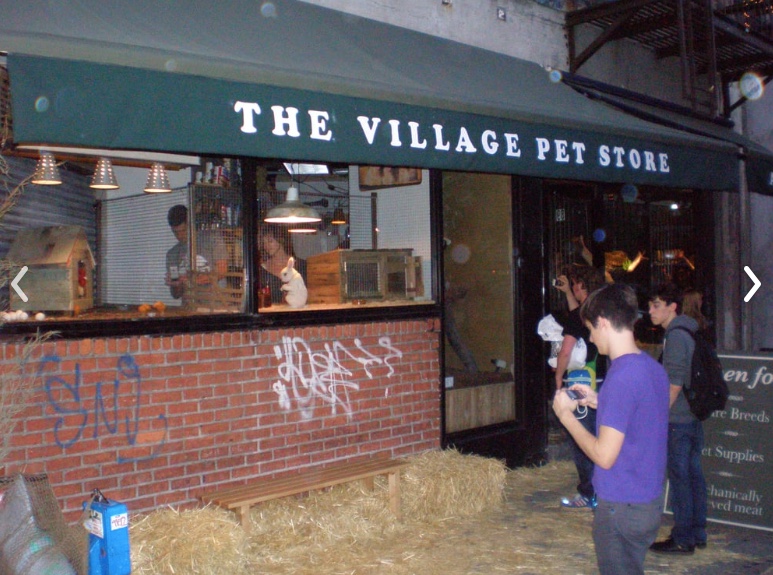
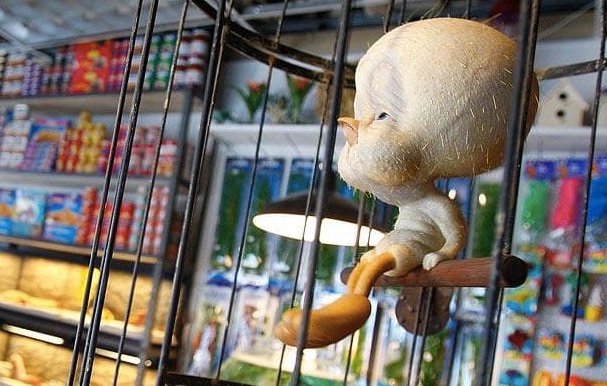
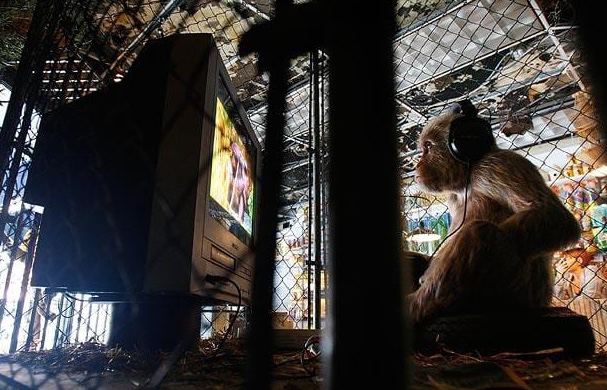
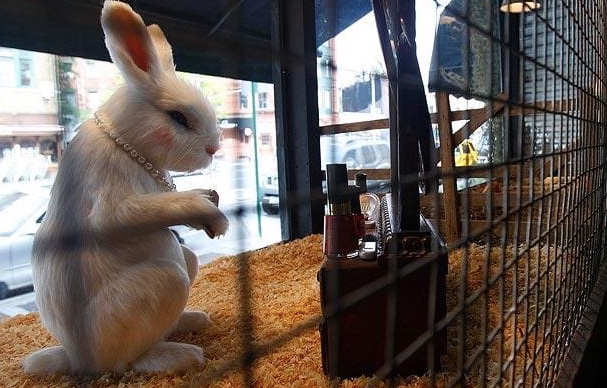
Banksy opened his first exhibition in New York, The Village Pet Store and Charcoal Grill, featuring mainly animatronics. Almost all of the content was used the following year in the Banksy vs. Bristol Museum exhibition.

The official Village Pet Store website is still up and running: http://thevillagepetstoreandcharcoalgrill.com/menu.html:

Screenshots: http://thevillagepetstoreandcharcoalgrill.com/menu.html

In Banksy’s own words:

“New Yorkers don’t care about art, they care about pets. So I’m exhibiting them instead. I wanted to make art that questioned our relationship with animals and the ethics and sustainability of factory farming, but it ended up as chicken nuggets singing. I took all the money I made exploiting an animal in my last show and used it to fund a new show about the exploitation of animals. If its art and you can see it from the street, I guess it could still be considered street art.”

Photos: Getty images

Vernisage.tv published an amazing video of the exhibition on youtube:

The Cans Festival. London, May 2008

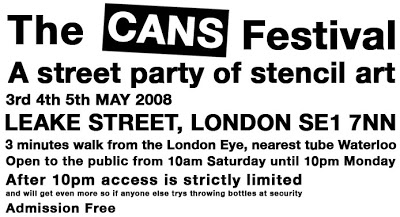
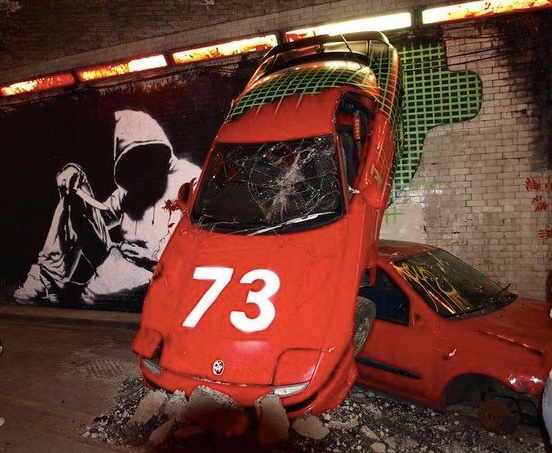
Banksy organised The Cans Festival London over the weekend of May 3–5, 2008. The event took place at Leake Street, a tunnel beneath London Waterloo station formerly used by Eurostar. Team Banksy invited approximately 40 street artists from around the world to participate in the exhibition.

Photos: Romany WG and others

Can Festival programme

A PDF of the official Cans Festival programme can be downloaded here: 

As reported by the Guardian on 6 May 2008:

Looking for radical art? Try the South Bank, not Banksy

Banksy’s Cans festival, bringing together 40 of the world’s best stencil artists, can’t compete with the 40-year-old posters in the Hayward Gallery

Dazzling but blunt … Banksy’s Cans festival. Piss Alley, we call it. The Times this weekend dubbed it “London’s hottest venue“. For most, Leake Street has always been Leake Street by name, Leake Street by nature. For Banksy, though, this tunnel road was just the kind of “filth pit” he’d been looking for. Remembering to ask permission from owners Eurostar, he gathered together the world’s best stencil artists to spray paint the tunnel in time for the bank holiday, and lo, the Cans festival was born.

That was one exhibition of street art you could have seen over the weekend. The other was May 68: Street Posters from the Paris Rebellion at the Hayward Gallery’s Project Space.

Despite the poised irreverence and iconoclasm of the Cans festival, it was the posters in the Hayward that – despite all the failed hopes of the ’68 generation, despite the simplicity and even naivety of the images – still grip, still provoke. Truth be told, radical art today is anything but: it may look sharp, but its edge is blunt.

“Gentrify this” was the up-yours slogan greeting the crowds at Banksy’s festival. But gentrification is exactly what these artists had achieved. The closest you came to barricades at this event were the security barriers channelling punters inside. The score was laid down on the festival’s website: after detailing the opening hours (for Piss Alley! – I never thought I’d live to see the day), it sternly warns “After 10pm access is strictly limited … and will get even more so if anyone else tries throwing bottles at security”.

And just in case anyone thinks about making a spontaneous contribution, the website makes clear that artists coming to stencil need to report to reception and be shown where to paint, with a disclaimer explaining that “painting outside the designated area may well result in prosecution”.

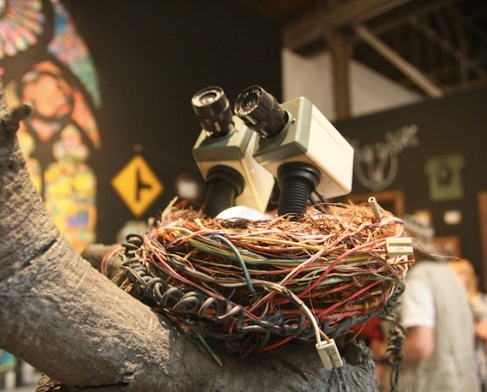
But there we have it. For all the brilliance of the stencil artists, the messy, apocalyptic feel of the thing was so in tune with our general sense of the world going to hell in a handcart that it confirmed the status quo rather than challenged it. This was iconoclasm with an unremitting ironic twist. Don’t like religion? Here’s the Pope morphed with Marilyn Monroe in the Seven Year Itch. Wanna take a pop at film icons? Here’s a cat scratching Audrey Hepburn’s eyes out. Apart from some notable exceptions – such as the central tree sculpture sprouting surveillance cameras – it was the backwards-looking creed that was striking.

Whether looking for icons to smash or to praise, it was the past that informed. In the brochure the political icon held aloft is Stuart Christie, the Scottish anarchist who was a member of the Angry Brigade in the 1970s. William Blake is misrepresented as an outsider hounded by the establishment who labelled him mad and buried him in a heretics’ graveyard (Blake was buried by choice in the dissenters’ graveyard at Bunhill Fields, with the standard Church of England service). Truth is, the Cans festival’s rebels without a cause cannot bear to look into the future. They don’t trust it and have more in common with the self-named ancients who gathered around Blake in his later years, bemoaning the modern industrial world and conservatively clutching at a “golden age”.

How different from the Paris posters of ’68 which brim with the possibilities of tomorrow. Whatever the disappointments of the uprisings, these images convey powerful and provocative messages. The outline of a cross drilling into the profile of a head communicates the perceived problem with religion. Irony – that constant bugbear of art today – works very differently here. It is a device to drive the message home, most often in the juxtaposition of text and image. A poster bearing the words “Retour à normale …” has row upon row of identical sheep heading back to the pen. A young face swathed in bandages and secured with a safety pin through the mouth is captioned “Une jeunesse que l’avenir inquiète trop souvent …” (“Youth worries too often about the future”). The future was what young people would make if they would be heard. Today, our radical young artists are jeunesse-ancients, world-weary before their time. To paraphrase Blake, the Cans festival was of the devil’s party without knowing it.

Source: https://www.theguardian.com/artanddesign/artblog/2008/may/06/lookingforradicalarttryth

Santa’s Ghetto 07. Bethlehem, December 2007

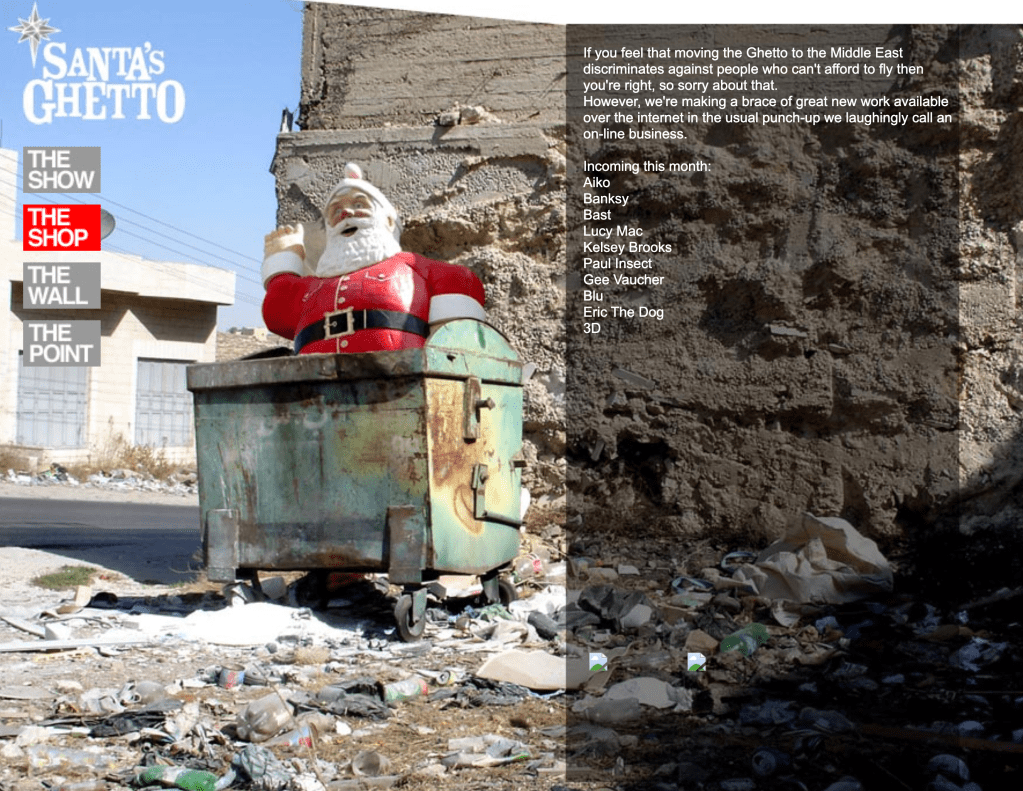
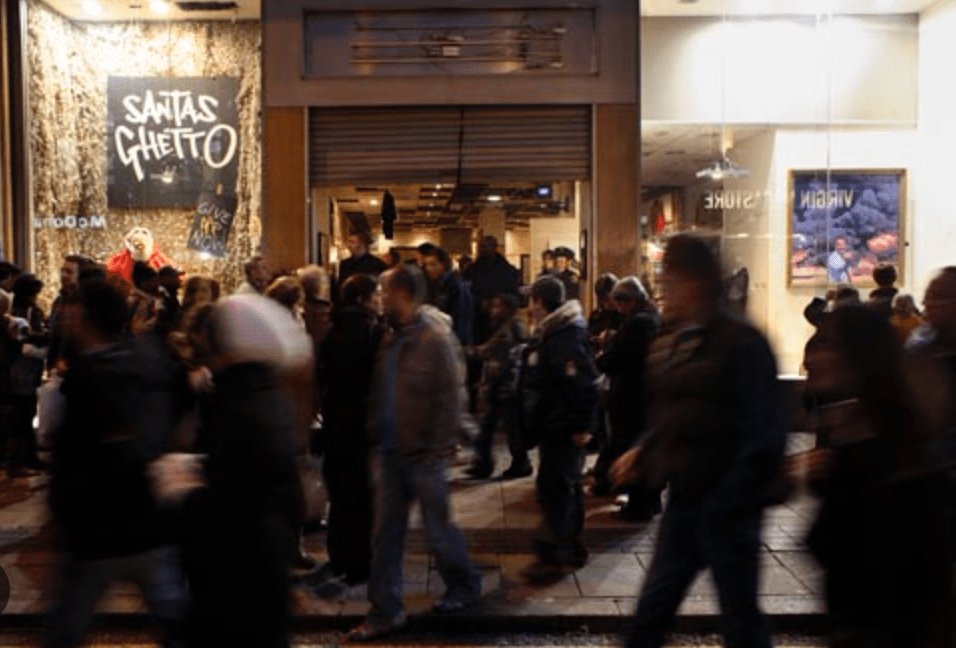
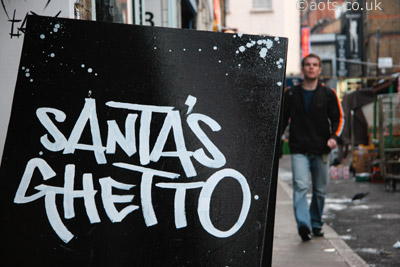
Banksy and Pictures On Walls went to Bethlehem on the West Bank to arrange the 2007 edition of Santa’s Ghetto in an empty shop on Manger Square.

Photo: http://www.santaghetto.com

Pictures on Walls published the following statement:

Bethlehem is one of the most contentious places on earth.

Perched at the edge of the Judaen desert at the intersection of Europe, Asia and Africa in the state of Palestine it was governed by the British following the collapse of the Ottoman Empire. After World War II the United Nations voted to partition the region into two states – one Jewish, one Arab and there’s been fighting ever since.

It’s obviously not the job of a loose collection of idiot doodlers to tell you what’s right or wrong about this situation, so you’re advised to do further reading yourself (this month’s National Geographic has an excellent article all about Bethlehem).

We would like to make it very clear Santa’s Ghetto is not allied to ANY race, creed, religion, political organization or lobby group. As an organisation the only thing we’ll say on behalf of our artists is that we don’t speak on behalf of our artists. This show simply offers the ink-stained hand of friendship to ordinary people in an extraordinary situation.

Every shekel made in the store will be used on local projects for children and young people. Not one cent will go to any political groups, governmental institutions or, in fact, any grown-ups at all.

Salaam.

Source: http://www.santasghetto.com

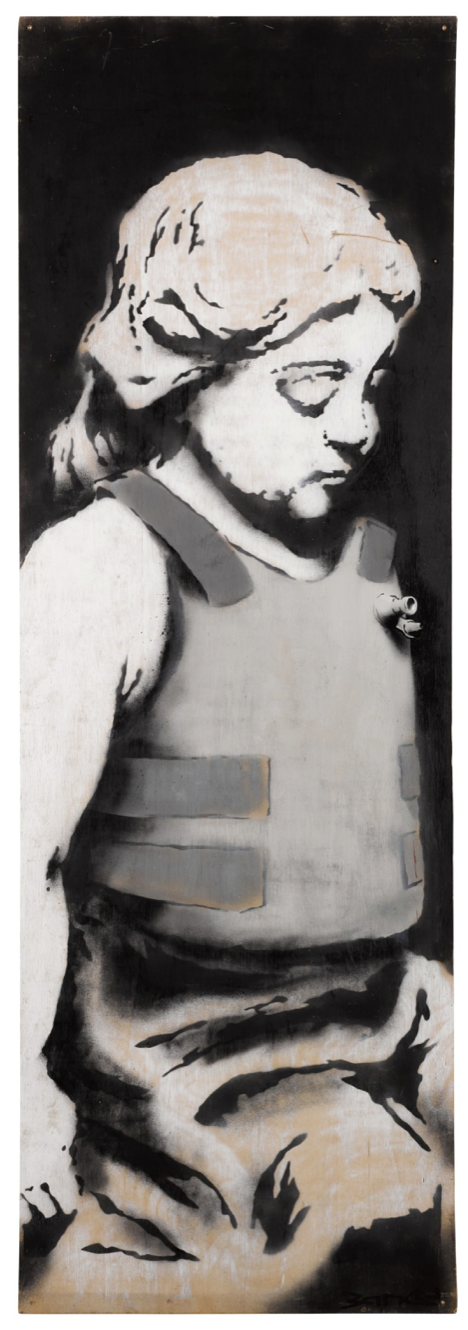
Banksy contributed with quite a few pieces, among them some very rare canvases, among them The ‘Peace Dove with Bulletproof Vest’ and ‘Stop and Search’, as can be seen in the photo below of the store front on Manger Square:

Photo: monstris_uk on Flickr

The Watchtower collaborations

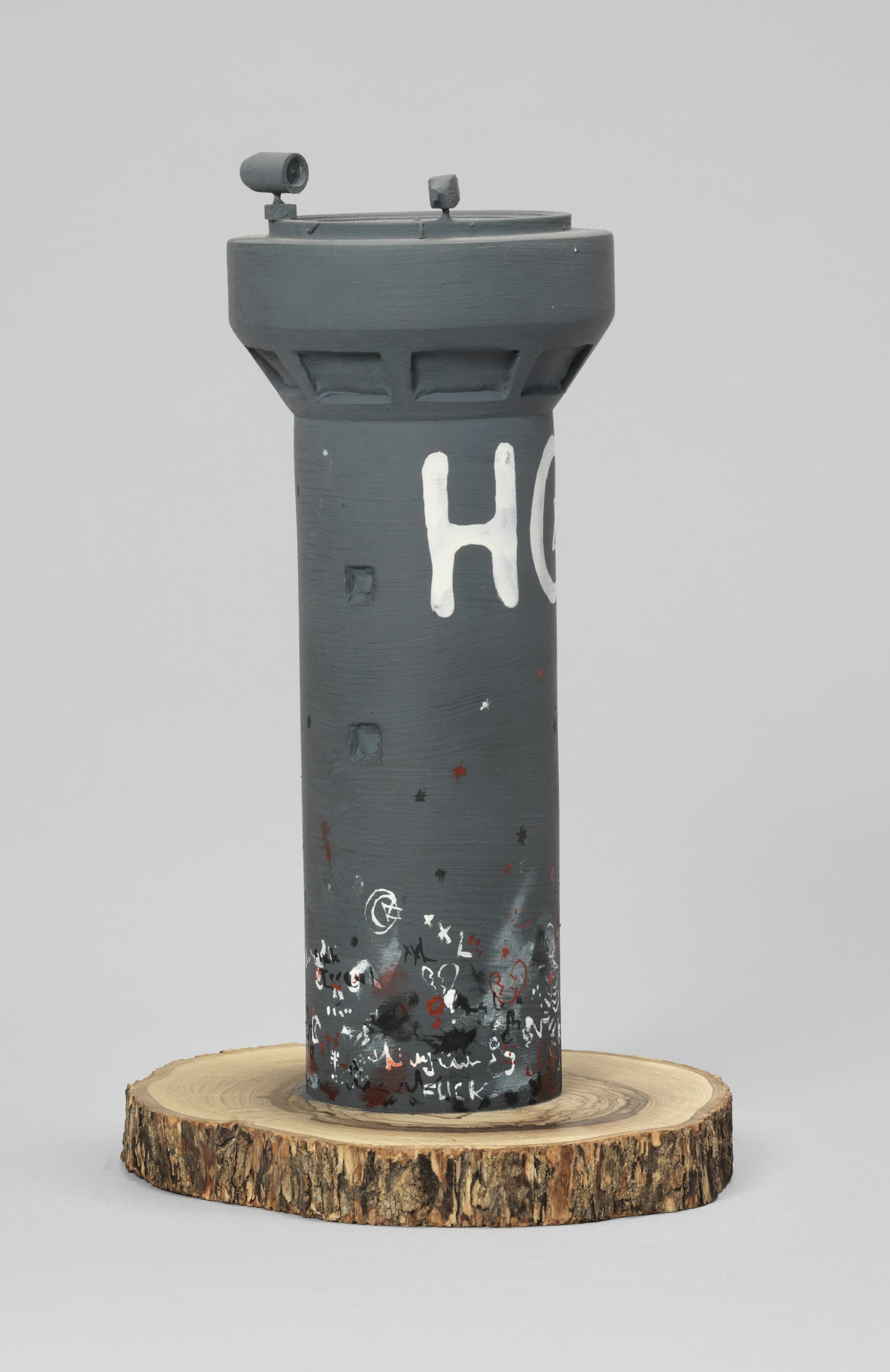
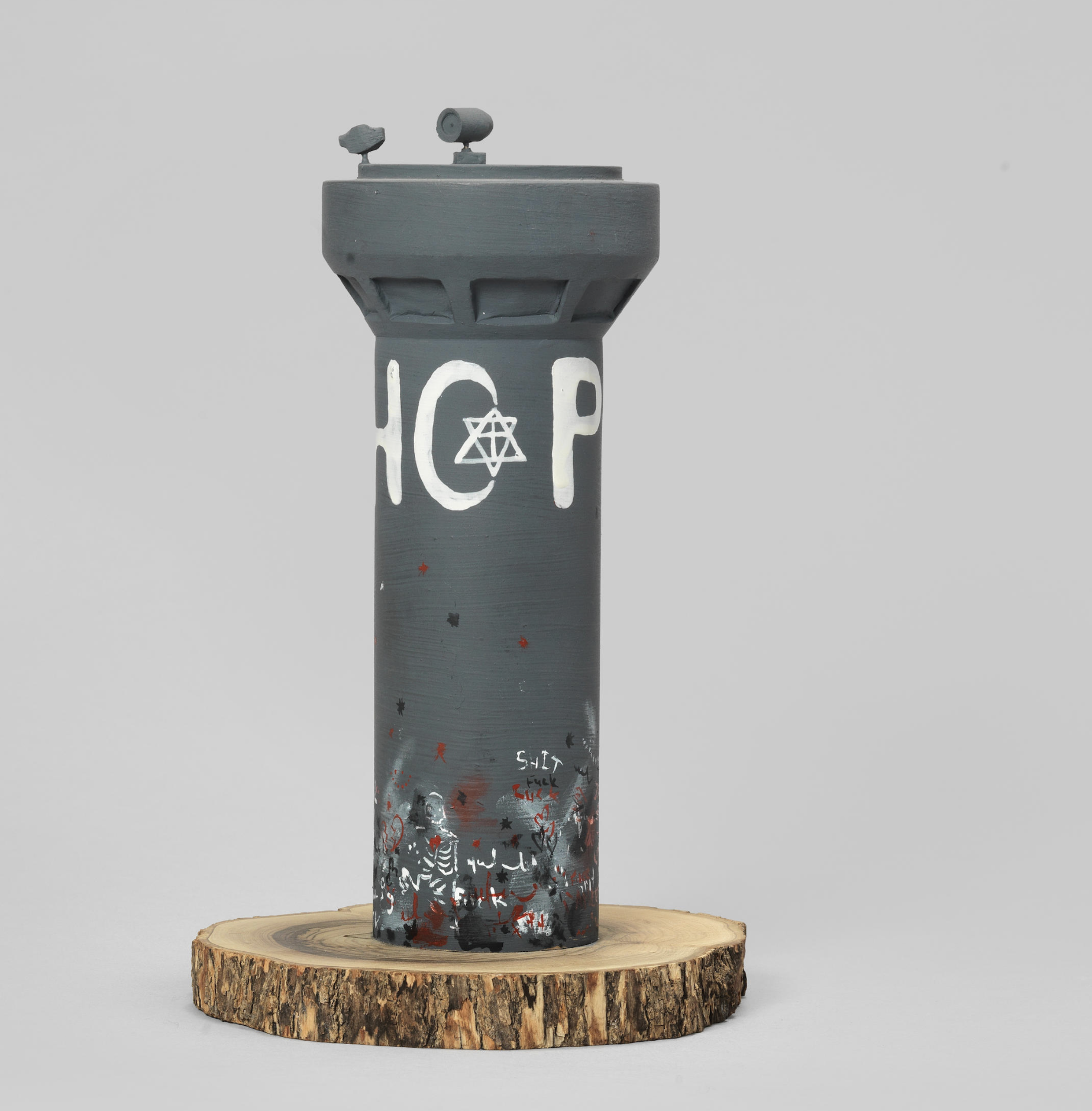
The watchtowers were an interesting collaboration at Santa’s Ghetto 2007. Banksy created a limited edition of 15, while invited artists decorated unique towers – some sources say at least 15 unique towers were made by different artists. The late Tawfiq Salsaa, an accomplished olive wood carver from Bethlehem, appears to have sculpted the original one.

Here are a few of the unique towers. From left to right: Peter Kennard, Blu, Kelsey Brooks (2 x Hope) and Tawfiq Salsaa:

Photos: Bonhams

Another intriguing piece was the monumental olive wood sculpture of the Old Town in Jerusalem, a collaboration by Banksy and the late Tawfiq Salsaa. Two years later, the same Old Jerusalem model appeared at Banksy vs Bristol Museum:

Jerusalem Old Town by Tawfiq Salsaa and Banksy. Photographed at Walled Off Hotel in 2022. Photo R.A.
List of artists at Santa’s Ghetto 07:

3D
Abdul Rohman Elmzyen
Adam Koukoudakis
Aiko
Ayed Arafah
Banksy
Bast
Ben Turnbull
Blu
Conor Harrington
Eine
Erica il Cane
Faile
Gee Vaucher
James Cauty
Jonathan Yeo
Karim Dabbah
Kelsey Brookes
Lucy McLauchlan
Mark Jenkins
Antony Micallef
Paul Insect
Sir Peter Blake
Peter Kennard
Kat Phillips
Ron English
Sam 3
Sickboy
Souleiman Mansour
Swoon
Yousef Katalo

Source: http://www.santasghetto.com

Street art pieces from December 2007 in Bethlehem

On the same journey to the Bethlehem area, Banksy painted five stencils, among them the Armoured peace dove.
As reported by CNN on 3 December 2007:

By Brie Schwartz 

(CNN) — British graffiti artist Banksy has launched an art exhibition in Bethlehem that he hopes will focus attention on the poverty of the West Bank and draw tourists to the traditional birthplace of Christianity.

A Palestinian man walks by Banksy’s camel, painted on the security barrier near Bethlehem.

As part of the project, Banksy has adorned the controversial security barrier around the West Bank town with spray paint and plaster works of art in a comment on the Israel-Palestinian conflict. 

Israel says the purpose of the barrier is to prevent terrorist attacks being launched from the West Bank. Palestinian leaders however say the barrier amounts to an illegitimate land grab by Israelis, setting unilateral borders for an eventual Palestinian state. 

The new exhibition, called “Santa’s Ghetto Bethlehem 2007,” is a collaboration by artists who say they are trying to revitalize tourism to Bethlehem and “offer the ink-stained hand of friendship to ordinary people in an extraordinary situation.” 

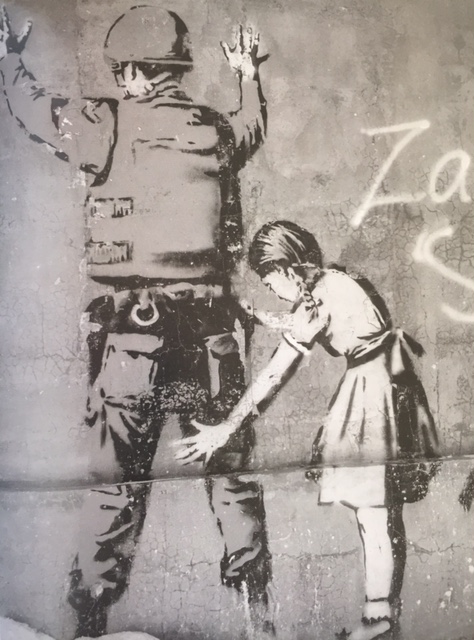
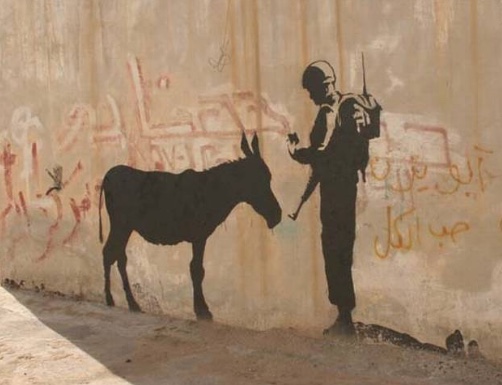
Banksy’s sketches on the security barrier flow towards Manger Square, across from the Church of the Nativity, where Christians believe Jesus was born. His images include a dove wearing a bullet-proof vest, a young girl in a frilly pink dress frisking a soldier and a donkey being checked for its identity papers. 

According to the Web site for Santa’s Ghetto, Banksy thought he was making an ironic commentary with the donkey picture, but locals told him the animals are frequently asked for ID papers. Santa’s Ghetto typically operates during the month of December out of a small store on Oxford Street in London, where underground artists showcase their work. 

Banksy, who started the initiative six years ago, says: “I felt the spirit of Christmas was being lost. It was becoming increasingly uncommercialized and more and more to do with religion, so we decided to open our own shop and sell pointless stuff you didn’t need.” 

His exhibition in Bethlehem is rife with the same satirical sentiments. Beyond the barrier graffiti, the work of Santa’s Ghetto’s diverse artists spread across three floors of a building in Manger Square. 

Inside, examples include a painting by Palestinian artist Suleiman Mansour in which a man carries the city of Jerusalem on his back, and London artist Peter Kennard’s montage of dollar bills printed on pages from the Jerusalem Post. Proceeds from Santa’s Ghetto sales go to charity.

Little is known about Banksy other than that he was born in Bristol, western England. Collections of his original work, which attract the likes of Angelina Jolie and Brad Pitt, have sold for more than $1 million (almost £500,000).

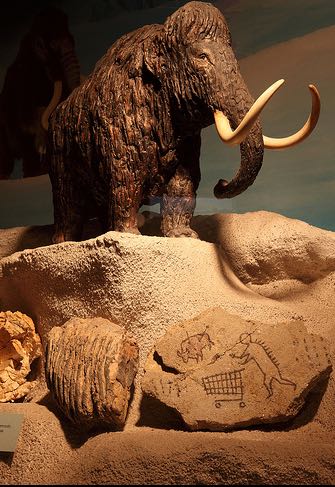
Banksy’s previous political statements have included hanging a picture of a cave man pushing a shopping cart in the British Museum and placing a doll of a Guantanamo Bay detainee in Disneyland. The doll was removed, but the “primitive” portrait became a part of the British Museum’s permanent collection.

Tourism — even in the traditional Christmas peak season — has been hard hit in recent years with Israeli checkpoints keeping most of the local Palestinians in and all but the most determined tourists out. As a result levels of unemployment are high.

Speaking through the Web site, Banksy says tourists need not fear visiting the West Bank. “It would do good if more people came to see the situation here for themselves. 

If it is safe enough for a bunch of sissy artists then it’s safe enough for anyone.”

Source: https://edition.cnn.com/2007/WORLD/meast/12/03/banksy.bethlehem/

Santa’s Ghetto 2006. December 2006

The 2006 edition of Santa’s Ghetto took place in Oxford Street, near Tottenham Court Road. It had works of David Shrigley, Jamie Hewlett, Ericailcane, and a host of other up-and-coming artists in the urban/street art universe.

Also present were some interesting works by Kennard Phillips—the collaboration between Cat Phillips and Peter Kennard. One of Banksy’s most important influences is undoubtedly Peter Kennard.

Hansel & Gretel

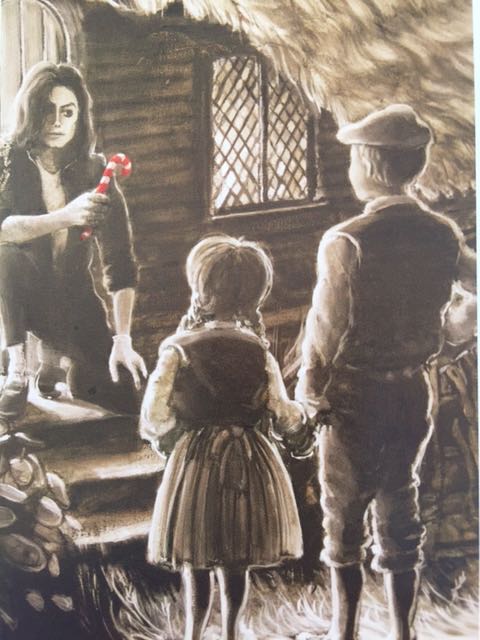
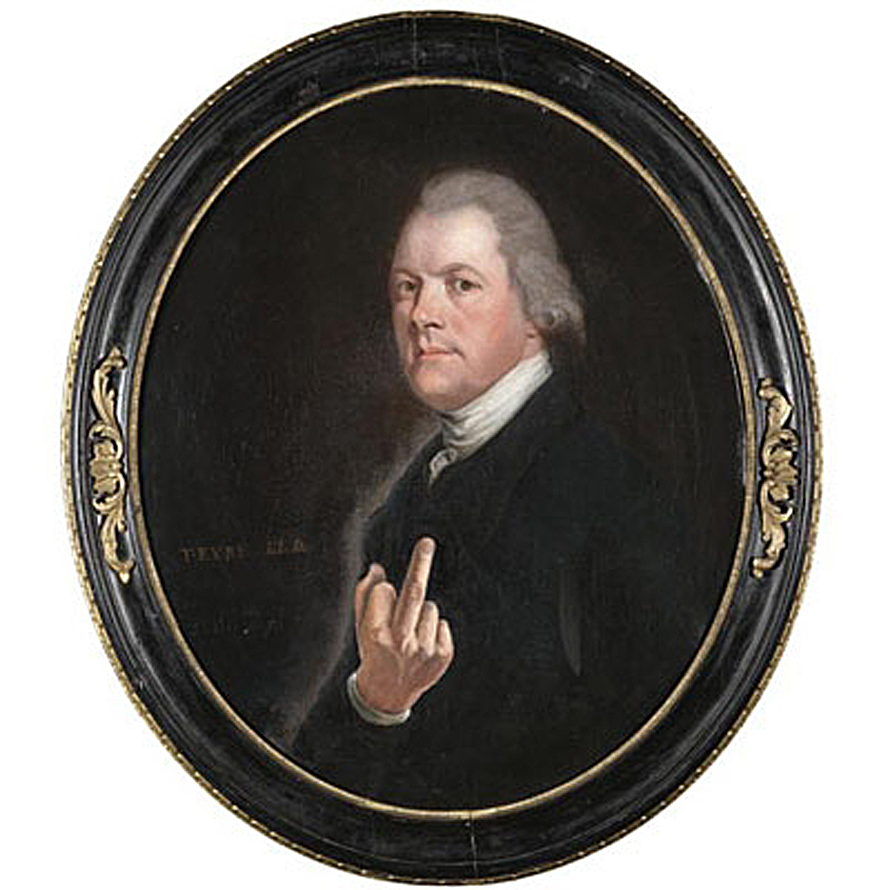
Banksy didn’t contribute as many works as previous editions of Santa’s Ghetto. But he had one interesting oil painting — ‘Hansel & Gretel’ with Michael Jackson. The motif is copied from a painting by Tom Ormond (b. 1974) called ‘From Beyond the Stars’ from 2005. But, is it a “vandalised oil”, or is Banksy’s Hansel & Gretel painted from scratch?

From Beyond the Stars. Tom Ormond, 2005. And to the right: Hansel & Gretel. Banksy, 2006

Participants. Santa’s Ghetto 2006

List of participants. Santa’s Ghetto 2006.

As reported by Sean O’Hagan in The Guardian:

Art brats put the cool in Yule

A squatted shop on Oxford Street selling works by Banksy? So long Christmas tat

Only 14 shopping days to Christmas and, unlike many major department stores on London’s Oxford Street, ‘Santa’s Ghetto’ is doing a roaring trade. The Banksys sold out in the first hour of opening, the Hewletts followed suit, and there were unseemly scraps over the Shrigleys. The word on the street is that sales in the first week hit £300,000. Not bad for a squatted shop only advertised via a website and word of mouth.

Now 10 days into its three-week run, ‘Santa’s Ghetto’ is the brainchild of Banksy, the suddenly ubiquitous but still invisible graffiti artist, whose work also graces the more august Serpentine Gallery across town, part of the Damien Hirst ‘Murderme’ collection. Part art gallery, part print shop, part good old-fashioned happening, ‘Santa’s Ghetto’ has been a fixture in the capital for the past five years but this is its first pitch in the West End. It is organised by a collective called Pictures On Walls, who describe themselves as ‘more like a record company than a print house’.

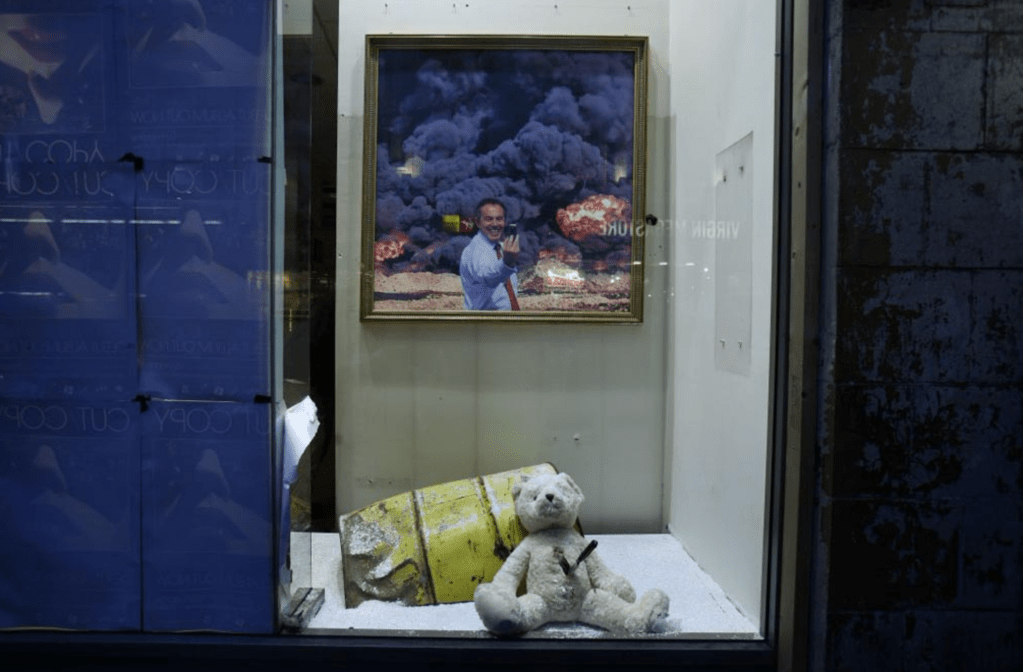
This is unlike any other seasonal shopping expedition. There are two burly, besuited bouncers on the door, and the main window display features a huge photographic print of a grinning Tony Blair snapping himself on his mobile against a backdrop of a firestorm in Iraq. An inebriated lifesize Santa with bug eyes also jerks like a man in the throes of almighty comedown. Inside, there’s a Mona Lisa flashing her arse, her enigmatic smile now revealed as a bawdy come-hither look.

The art is determinedly ‘street’, edgy in tone, and brutalist in form. The buzz is palpable, and, having just come from the almost empty, energy-sapping space that houses this year’s Turner Prize non-event, I found it oddly uplifting. In among the crowds of mostly young and trendy visitors there are some life-size sculptures resembling many of the punters – hoodies, baggy jeans, sneakers. One such figure seems to be peering though the wall into Waterstone’s next door; another could be a homeless beggar but, beneath the hood, there is no face, just a dark cavernous hole.

Amid the posters, prints and original artworks on the walls there are some arresting images, particularly Ben Turnbull’s ominous sculpture of a gun in a glass case embossed with the words ‘Break In Case of Emergency’. We’re talking visual overload here, though, and a lot of the graphic work needs more room to breathe. The most arresting piece in this wilfully overcrowded space is Emma Heron’s vending machine, which sells artifical limbs. A black boy on crutches, one leg blown off at the knee, peers longingly inside. Amid all the irony and the mischief, it is the only piece that stops people in their tracks.

It’s brilliant art because it makes you think,’ says Si, aged 18, who has journeyed into the West End from Tottenham with his mates. None of them has ever set foot in an art gallery before, save for a school outing to Tate Modern, whichleft Si unimpressed. ‘Some of it was all right, but a lot of it was boring,’ he says. ‘This is more the sort of stuff I’d buy if I won the lottery.’ He stands briefly in front of Banksy’s latest allegorical piece: two tiny Hansel and Gretel figures lingering uncertainly by the threshold of the Wicked Witch’s house, tempted by a stick of candy. ‘It’s Michael Jackson,’ he whoops. ‘Oh man, that’s naughty.’

That’s exactly the word for most of the work in ‘Santa’s Ghetto’: ‘naughty’, as in mischievous, gleefully shocking, and unhindered by the heavy baggage of conceptual art – though Hirst obviously sees Banksy as a fellow traveller on the road to world domination.

As art events go, ‘Santa’s Ghetto’ is an uneasy mix of provocation, old-fashioned radicalism and trendier-than-thou, Hoxton-style posturing. The organisers have what they call on their website ‘a unique artist development programme’ that includes ‘returning sketches with “what the fuck is this?” scrawled over the top’. Cork Street it isn’t. They are currently trying to trace the interventionists who spraypainted the front windows of the shop with anti-globalisation graffiti in the early hours of last Sunday morning – just to credit their work on the website, you understand. Try as I might, I can’t see Charles Saatchi or Jay Jopling running with that one just yet, but Malcolm McLaren would certainly be proud of them.

· ‘Santa’s Ghetto’, Oxford Street (next to Tottenham Court Road Station), until 23 December; picturesonwalls.com

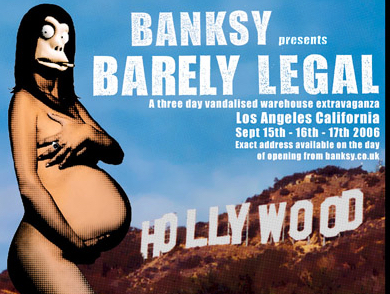
Barely Legal – the first big US show. September 2006.

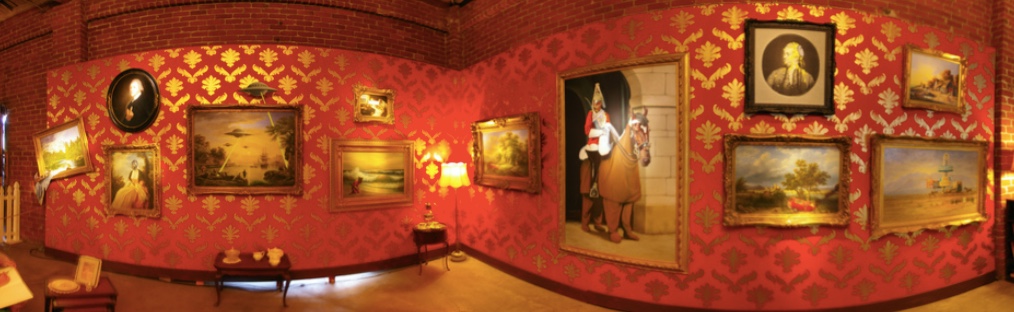
Barely Legal was the third major exhibition after the Turf War and Crude Oils. It took place on the weekend of 16 September 2006 in a warehouse in Los Angeles and was billed as a “three-day vandalised warehouse extravaganza”.

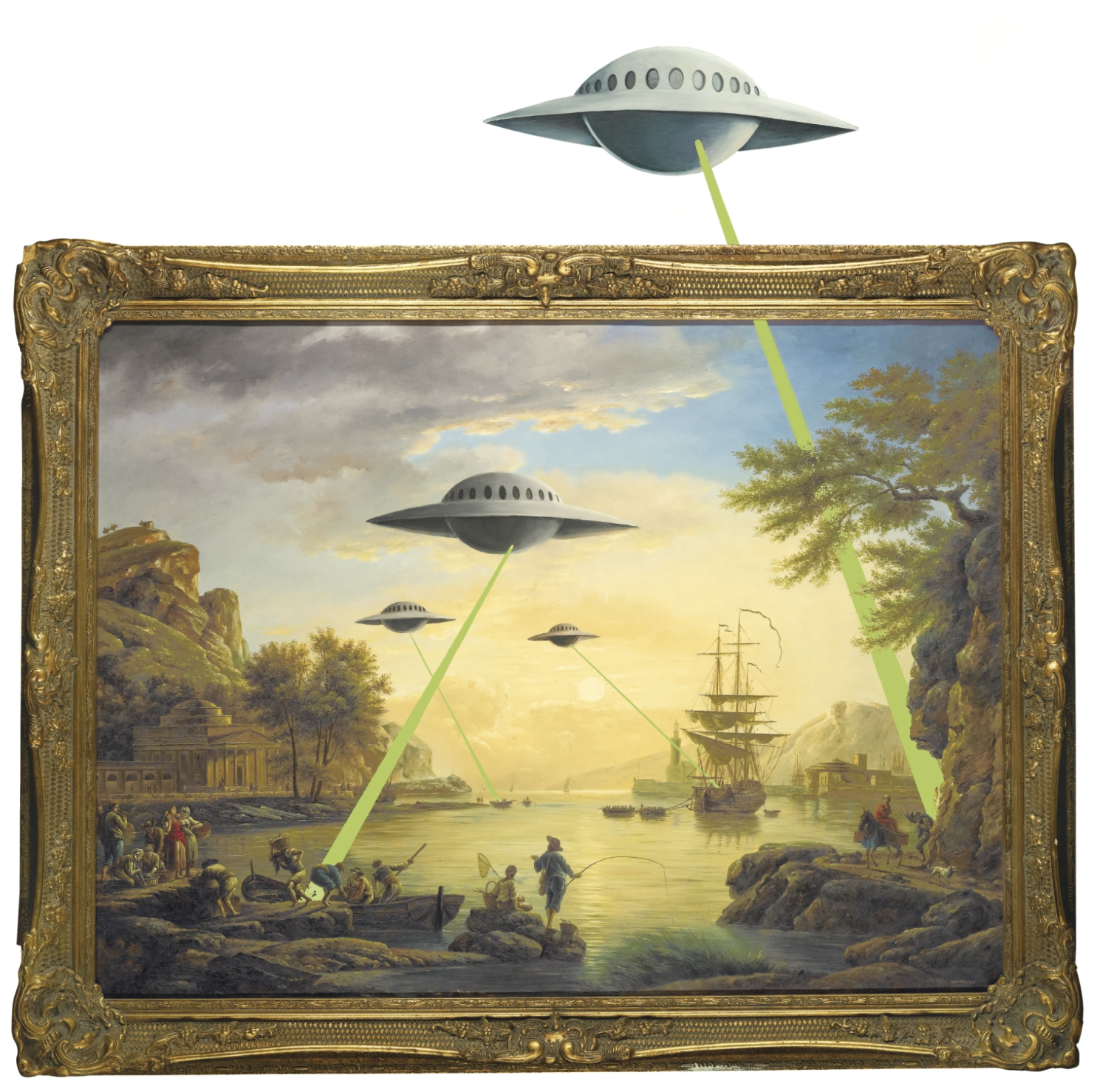
The exhibition featured a live “elephant in the room,” painted in a pink and gold floral wallpaper pattern. According to leaflets handed out at the show, “the elephant in the room” is intended to draw attention to the issue of world poverty. Banksy continued exploring the modified oil genre from the previous Crude Oils exhibition.

Official video of Barely Legal

Banksy published a video on his website of news coverage from KCAL9 FOX with footage from the exhibition:

Source: banksy.co.uk

BBC did a feature on the exhibition:

The New York Times published a review of the show on 6 September 2006

In the Land of Beautiful People, an Artist Without a Face

By Edward Wyatt

LOS ANGELES, Sept. 15 — As a metaphor for problems that people are uncomfortable talking about, “the elephant in the room” is not the most original.

But then, few people actually put the elephant in the room, paint it red and adorn it with gold fleurs-de-lis to match the brocade wallpaper, and then dare viewers not to talk about it.

Banksy, perhaps Britain’s most notorious graffiti artist and public prankster, has done just that with “Barely Legal,” a new show at an industrial warehouse in Los Angeles, as part of what his spokesman says is his first large-scale exhibition in the United States. Such a show — complete with advance publicity, an opening party with valet parking and Hollywood glitterati, including Jude Law and his posse, and sales of numbered prints at $500 each — would seem to go against Banksy’s rebel image.

“Yes, there probably is some contradiction,” Banksy’s spokesman, Simon Munnery, said on Thursday in an interview at the warehouse in a commercial district east of downtown. (Details on the exhibition site can be found at http://www.banksy.co.uk.) 

“It depends on what he does with the money, right?” Mr. Munnery added. “Maybe he makes more art. Maybe he’s getting more ambitious.”

Banksy makes a habit of not revealing himself in public, a practice that is part survival technique and part publicity ploy, but he has shown projects in the United States. Most notoriously, he carried his own artworks into four New York institutions last year — the Museum of Modern Art, the Metropolitan Museum of Art, the Brooklyn Museum and the American Museum of Natural History — and hung them on the gallery walls, next to other paintings and exhibits, without guards’ taking notice. He has performed similar stunts at museums in Britain.

Earlier this month Banksy surreptitiously placed a blow-up doll dressed as a Guantánamo detainee inside the fence of the Big Thunder Mountain Railroad ride at Disneyland, where it apparently remained for more than an hour before park officials shut down the ride and removed it. Recently he also smuggled 500 altered versions of Paris Hilton’s new CD into record stores around Britain and placed them in the racks.

All of those stunts are featured in a video that loops continuously at the show, which also includes two large rooms displaying stenciled images on canvas, sculptures and mixed-media productions, like the panel van with the notice on the back, “How’s My Bombing?” and an 800 number that links to a Navy recruiting office in Phoenix.

All of this is arranged around a sort of mock-self-loathing, elephant-in-the-room theme, or, as Banksy puts it in a handout: “1.7 billion people have no access to clean drinking water. 20 billion people live below the poverty line. Every day hundreds of people are made to feel physically sick by morons at art shows telling them how bad the world is but never actually doing something about it. Anybody want a free glass of wine?”

Many of the pieces have been seen before, either on the streets of London and other cities, in books of Banksy’s work or at his Web site. Many comment on war, like the stark image of a television camera crew filming a child amid ruins as the producer holds back aid workers to allow for just one more shot. 

With seemingly so much to say, and being so clearly desirous of an audience, surely Banksy would show up at his first big exhibition in the United States, then?

Perhaps he’s the gaunt chap over there, with the nose ring and the “Tagger Scum” T-shirt, touching up the gold fleurs-de-lis on the elephant. Or is he Mr. Munnery, who is also a British comedian with a penchant for rhetorical questions (“Why are some people dying of obesity, and others are starving to death?”) and who, in fact, looks quite a bit like the mysterious hatted and bearded fellow who appears in Banksy’s videos?

“I’m not him,” said Mr. Munnery, who is credited for “additional inspiration and assistance” in one of Banksy’s books, titled “Cut it Out,” which was distributed to journalists as part of the promotion for the new show.

The Guardian, the British newspaper, has identified Banksy as Robert Banks, an artist from Bristol. Some commentators have identified him as Stephen Lazarides, a photographer who set up Banksy’s Web site and whose gallery is the sales agent for the Banksy prints at the show here.

Mr. Munnery would not divulge the artist’s identity. Banksy “requests the right to remain silent,” he said. “He insists on it.” 

But the artworks are Banksy’s alone, he said. “And I do know that some of them took literally hours to paint.”

Source: https://www.nytimes.com/2006/09/16/arts/design/16bank.html

Santa’s Ghetto 05. London, December 2005

Team Banksy organised the 2005 edition of The Santa’s Ghetto at Berwick Street in Soho. The show featured, among others, Eine, 3D, Solo One, David Shrigley, Jamie Hewlett, Sickboy, Space Invader, Mode 2, Paul Insect, Dface, Polly Morgan, and Banksy.

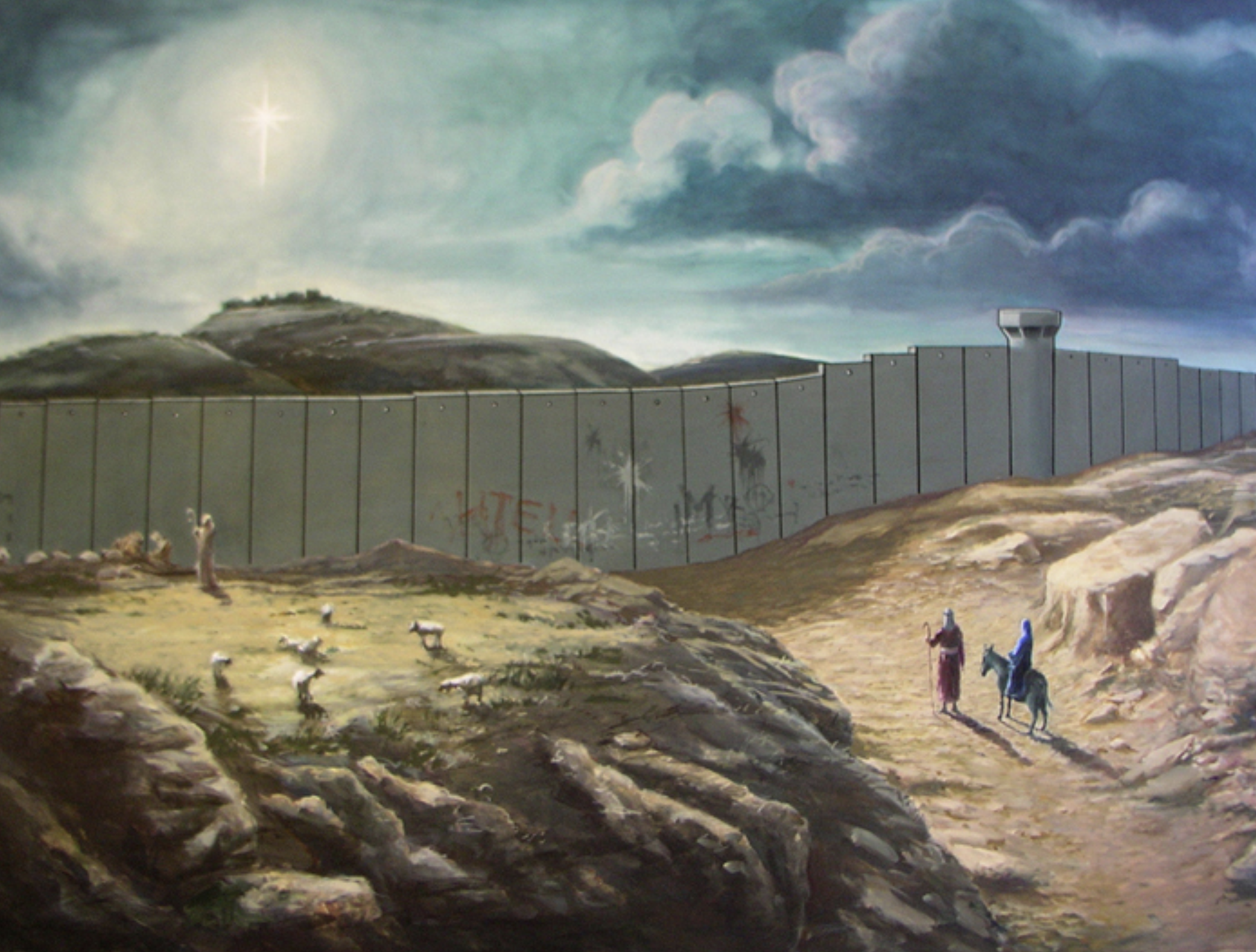
The show had an impressive oil painting of the Segregation Wall in Palestine. Most likely influenced by the journey to Palestine a few months earlier and the big murals on the wall.

Photos: Prescripion Art. http://www.artofthestate.co.uk and others

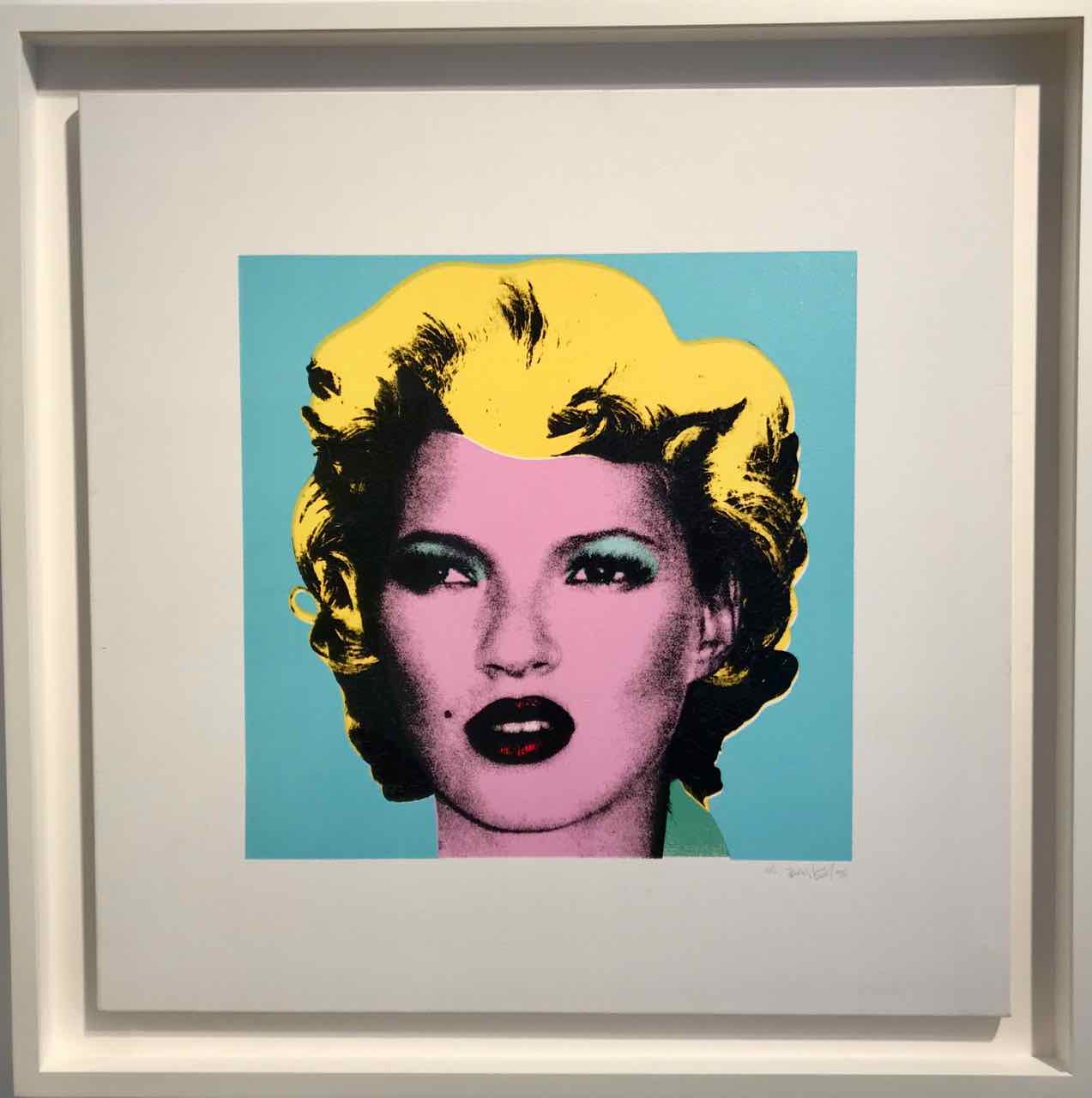
The Kate Moss print saw the light

Santa’s Ghetto 05 also had several colourways of the Kate Moss screenprint for sale:

Collaboration with Simon Munnery

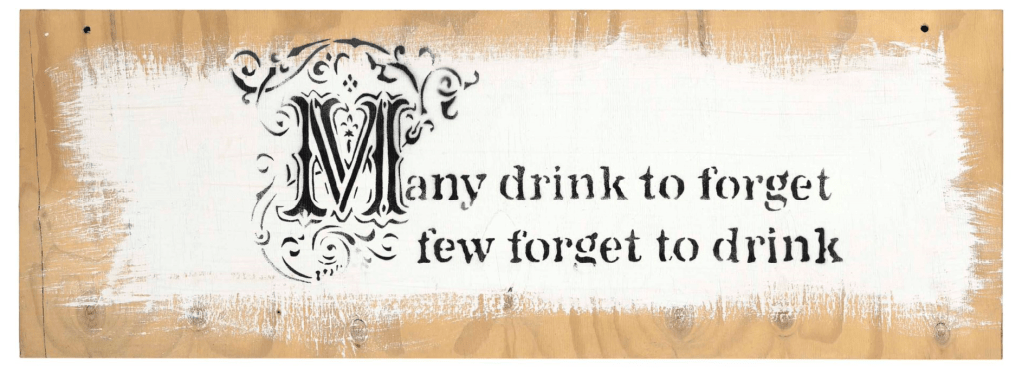
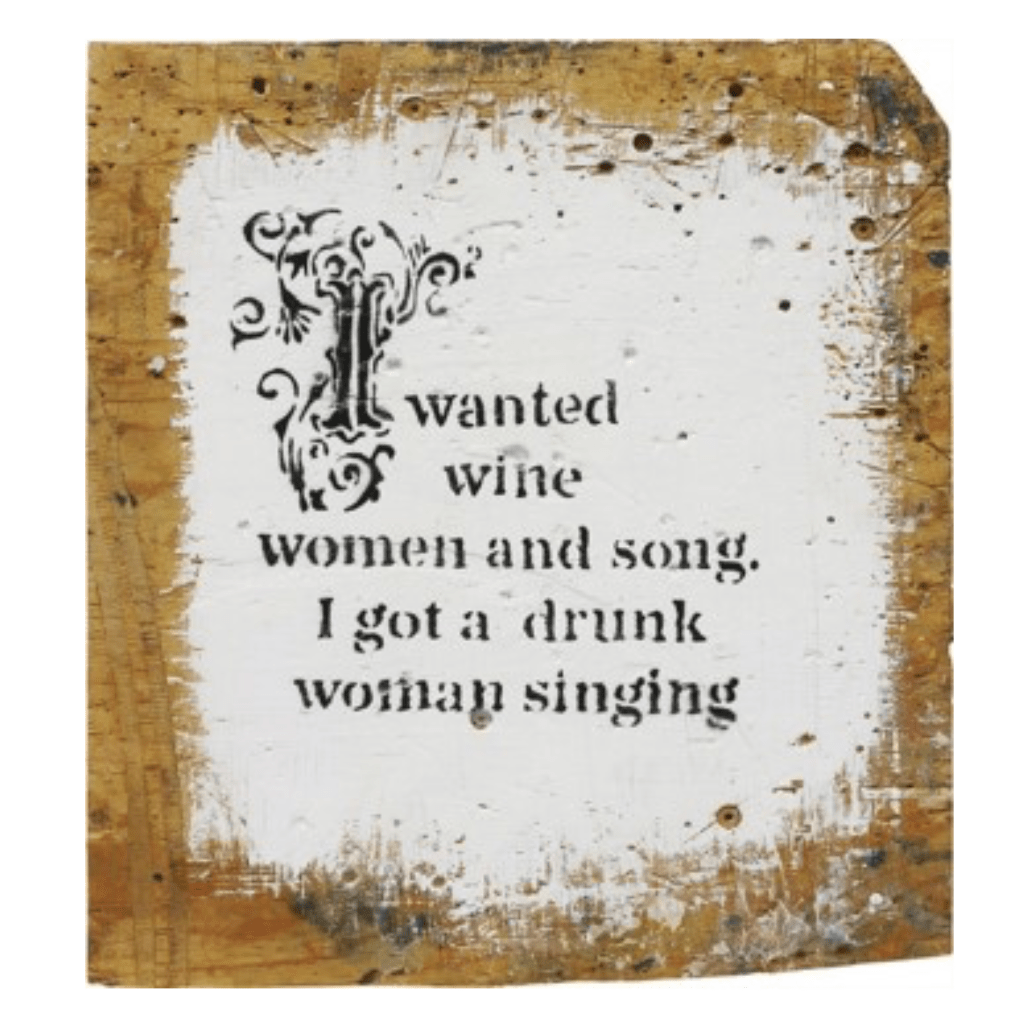
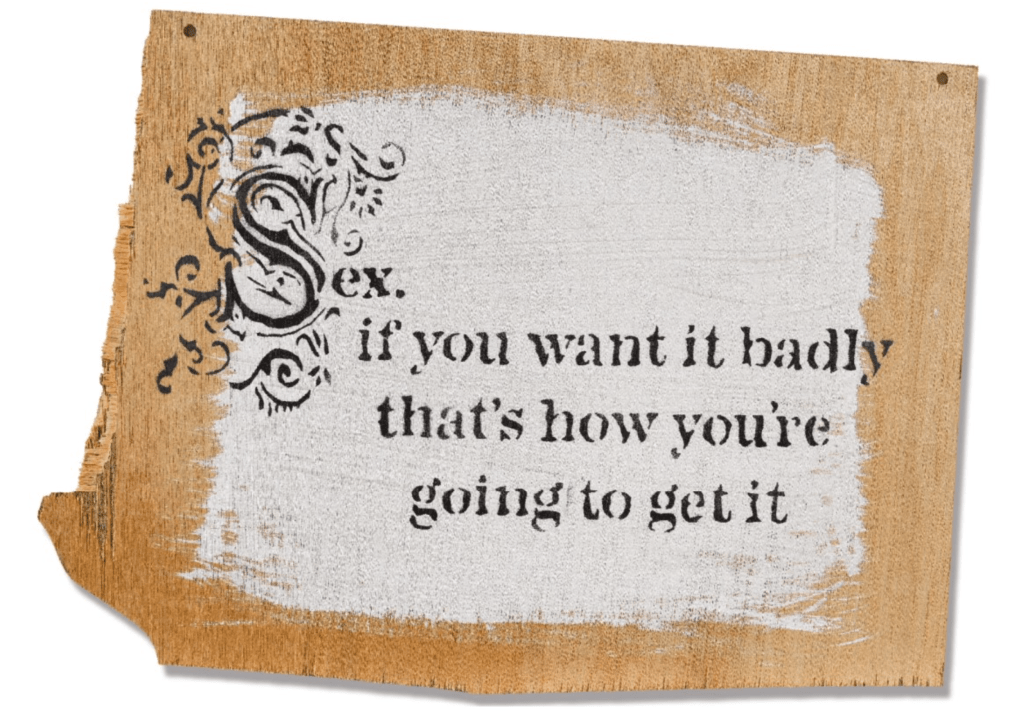
The collaboration with comedian Simon Munnery resulted in a number of poems stencilled on plywood.

Short poems by Simon Munnery & Banksy:

Photos: Phillips, Sotheby’s and Bonhams

Participants, Santa’s Ghetto 2005:

Source: http://www.picturesonwalls.com

Crude Oils. London, 22 – 24 October 2005

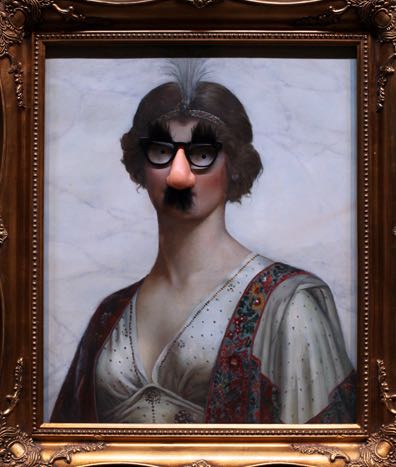
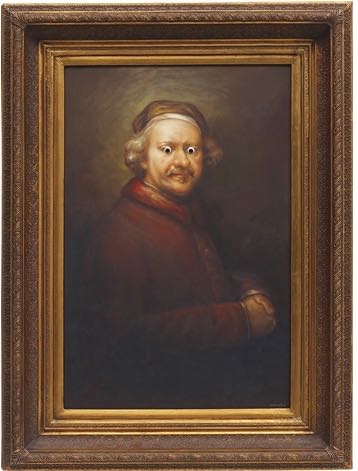
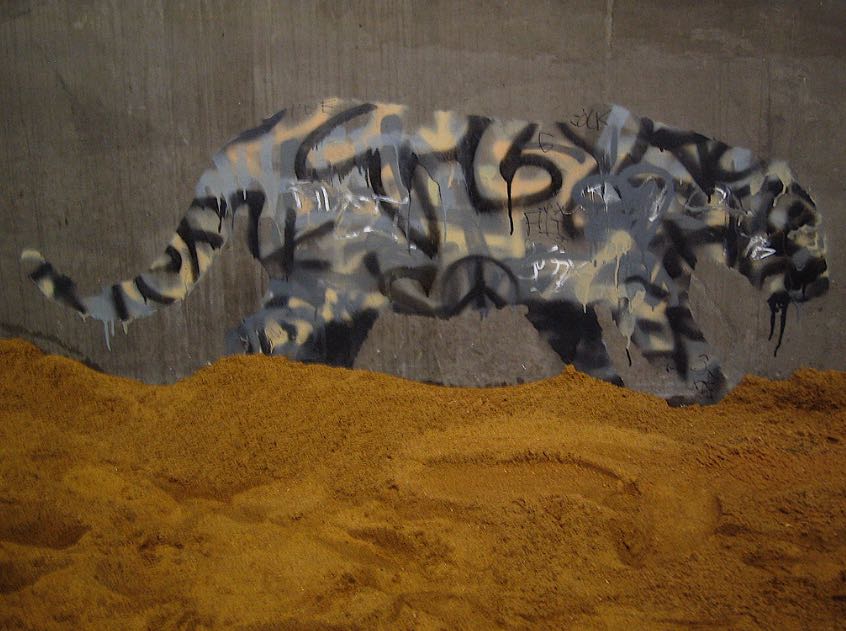
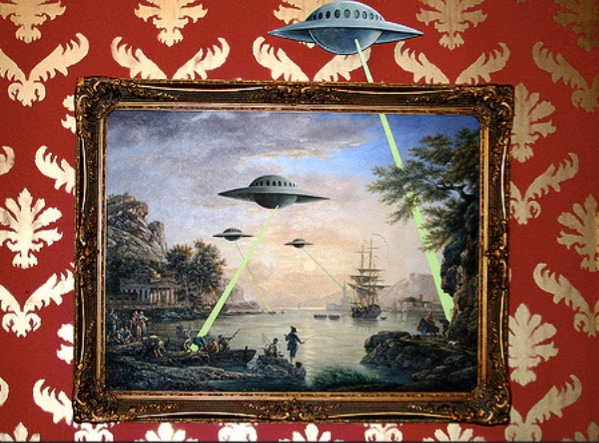
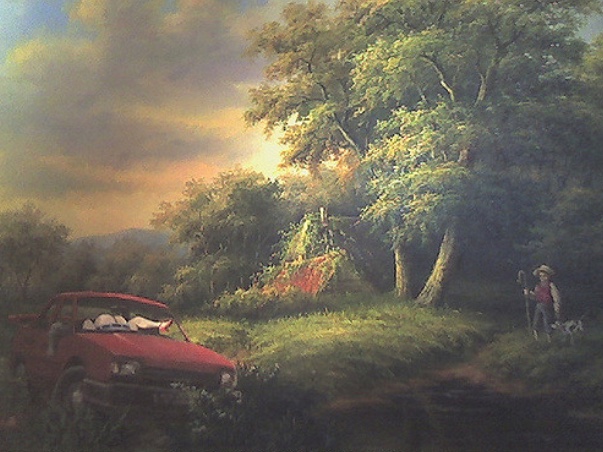
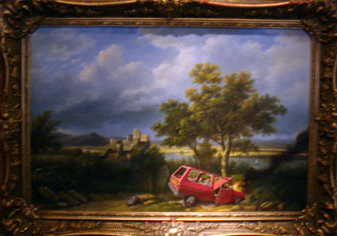
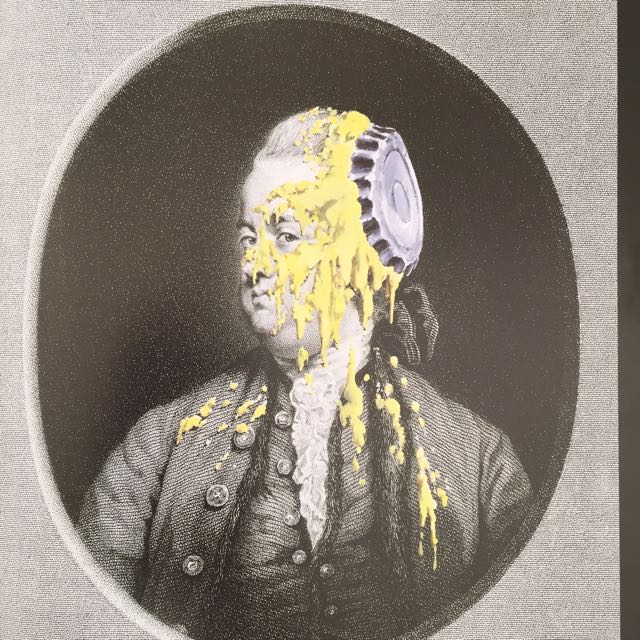
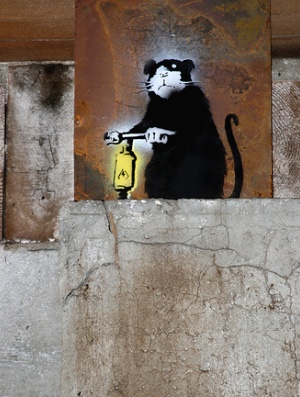
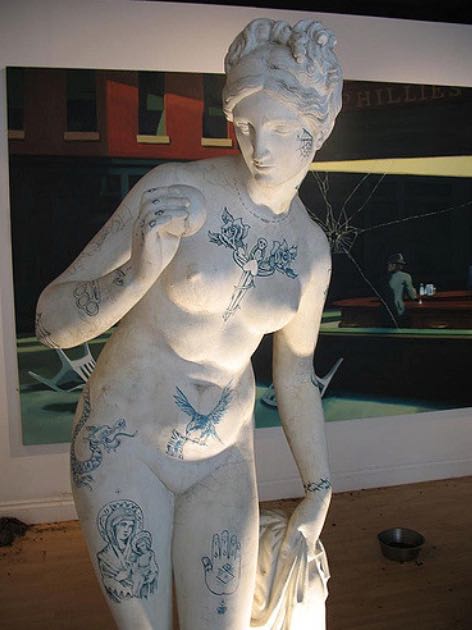
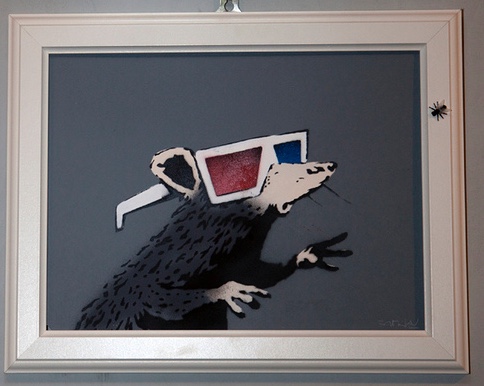
Crude Oils opened on 22 October 2005 at 100 Westbourne Grove in London and was Banksy’s third major exhibition after Severnshed and Turf War in 2003. It featured 20 + versions of classical oil paintings by Van Gogh, Hopper, Warhol, Turner, and Monet. Also present were 200 live rats and some interesting sculptures.

Channel 4 did a feature on the exhibition: